Emergency Dental Care for Severe Tooth Infections
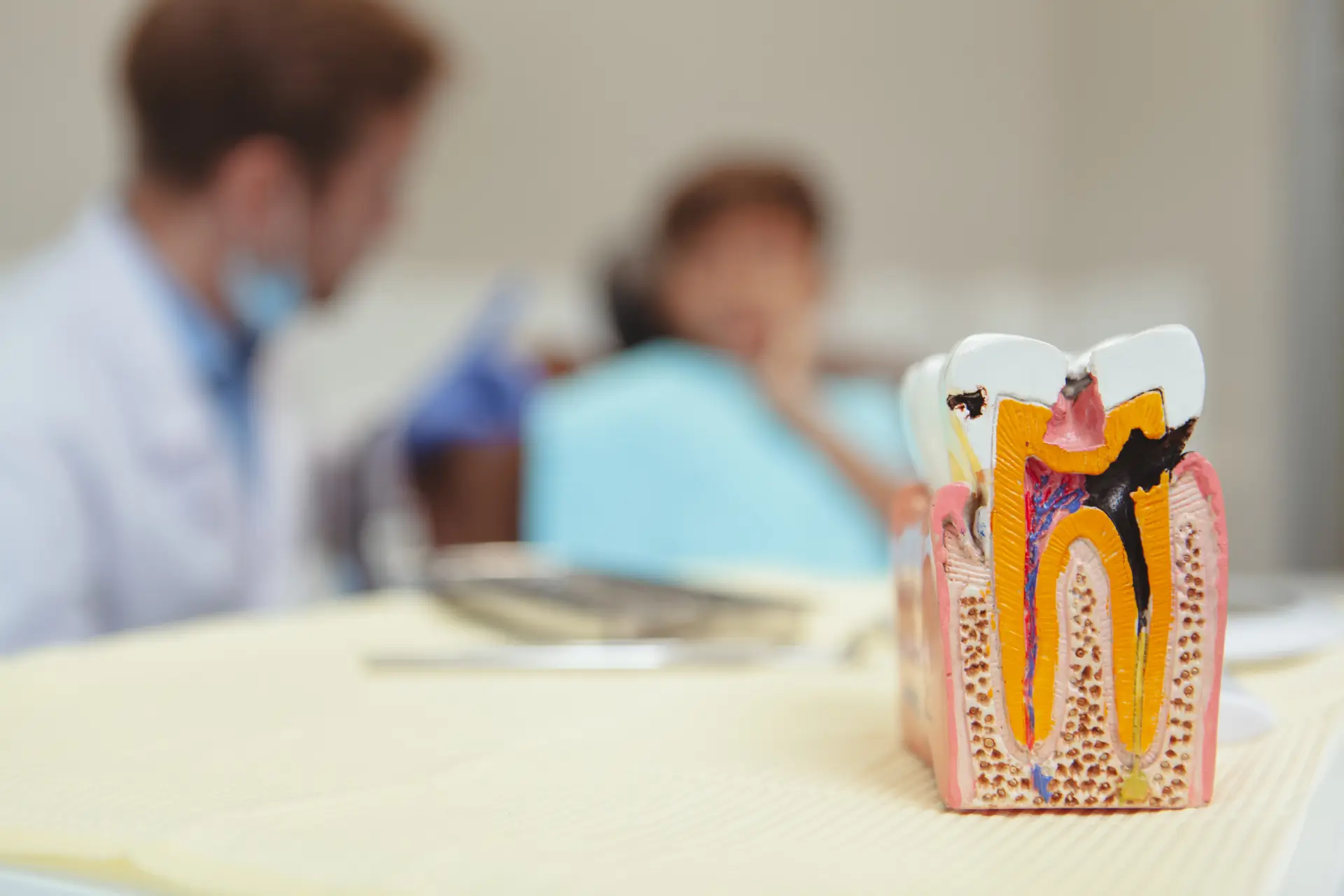

A severe tooth infection is not the kind of problem to watch for a few days and hope it settles down. When infection builds inside a tooth or spreads into the surrounding gum and bone, the pain can become intense, sleep disappears, and ordinary tasks like swallowing, chewing, or even speaking start to feel difficult. More importantly, a serious infection in the mouth can move beyond the tooth itself. That is what turns a painful dental problem into a true Dental Emergency.
People often underestimate how fast these cases can change. A patient may start with a nagging ache from a cracked tooth or old filling, take over the counter pain medicine, and manage for a week or two. Then one evening the face begins to swell, the tooth feels raised, the jaw stiffens, and the pain shifts from annoying to relentless. By the next morning, they are not just uncomfortable, they are in urgent need of care.
Emergency dental treatment for an infected tooth is about two things at once. First, it is about relieving pressure, pain, and swelling. Second, it is about stopping the infection at its source. Antibiotics can help in selected cases, but they do not fix a dead or infected tooth on their own. The cause usually needs direct treatment, often a root canal, drainage, or extraction.
What a severe tooth infection actually is
Most serious tooth infections begin inside the Dental Emergency pulp, the soft tissue in the center of the tooth that contains nerves and blood vessels. Deep decay, repeated dental work, trauma, or a crack can let bacteria reach that inner space. Once the pulp becomes infected and starts to die, the body cannot easily clear the area because the tooth itself has very limited ability to recover.
As pressure builds inside the tooth, pain often becomes throbbing, sharp, or constant. The infection may then travel through the root tip into the bone, where it can form an abscess. In clinical terms, an abscess is a pocket of infection and pus. In plain terms, it is a closed space under pressure, which is why patients describe the pain as pulsing, pounding, or impossible to ignore.
Not every infected tooth looks dramatic at first. Some people have surprisingly little swelling in the early stage, especially if the infection is draining through the gum. Others have severe pain before any visible facial change appears. I have seen patients arrive convinced they only need a stronger painkiller, only to discover a tooth that cannot be touched without triggering pain and a gum bulge that indicates active abscess formation.
Why it becomes an emergency
The mouth is full of bacteria, and most dental infections stay local for a time. The concern rises when the body can no longer wall the problem off effectively. Swelling under the jaw, beneath the tongue, or into the cheek can begin to affect nearby spaces in the head and neck. That is when a routine appointment is no longer appropriate.
This is also why home remedies, while sometimes comforting, have sharp limits. Warm saltwater rinses may soothe irritated tissue. Cold packs may reduce external swelling. Anti inflammatory medication may make the pain more tolerable. None of those removes infected tissue from inside the tooth, and none can drain a deep abscess in a controlled way.
A common misunderstanding is that pain alone tells you how severe the infection is. It does not. Some advanced infections become less painful when the nerve inside the tooth dies. Patients sometimes say, “It stopped hurting, so I thought it was getting better.” Then a day later the swelling appears. When pain drops suddenly after days of severe symptoms, that can mean the condition has changed, not resolved.
Signs that you need urgent care
Certain symptoms should move the situation into same day dental evaluation or emergency medical care, depending on severity. If your regular dentist cannot see you promptly, an emergency dentist or urgent medical setting may be necessary.
- Rapidly increasing swelling of the face, gums, or jaw
- Fever, chills, or feeling weak and unwell along with tooth pain
- Trouble swallowing, trouble breathing, or difficulty opening the mouth
- A bad taste in the mouth with pus drainage near the tooth
- Severe pain that does not improve with appropriate over the counter medication
Trouble swallowing and trouble breathing deserve special emphasis. Those are red flag symptoms. If swelling is spreading into the floor of the mouth or throat area, that is not just a dental inconvenience. It can become medically dangerous and should be treated immediately in an emergency department.
What the pain usually feels like
A severe tooth infection has a pattern many patients recognize once it is described clearly. The tooth may feel tender at first, especially with cold drinks or sweets. Later, heat becomes the bigger trigger, and pain may linger for minutes after exposure. Chewing becomes difficult because the tooth feels high or sore to pressure. Then the ache becomes spontaneous, often worse at night or when lying down.
That nighttime pattern is common. Increased blood flow to the head when reclining can intensify pressure in an inflamed tooth. Patients tell me they pace the floor at 2 a.m., hold ice water in the mouth for temporary relief, or sleep sitting partly upright because lying flat makes the throbbing unbearable.
Sometimes the pain is poorly localized. The brain does not always identify the exact tooth well, especially in the upper jaw where infection can refer pain into the sinus, ear, or temple. Lower molar infections may radiate toward the ear or along the jawline. This is one reason self diagnosis based on where it hurts can be unreliable.
What happens during emergency dental care
Emergency treatment starts with an assessment, not a reflex prescription. The clinician needs to know how long symptoms have been present, whether swelling is spreading, whether there is fever, and whether there are medical conditions such as diabetes, immune suppression, or recent chemotherapy that could raise the risk.
An exam usually includes visual inspection, percussion testing, gum evaluation, and dental X rays. The X ray may show deep decay, bone changes near the root, or a failing prior root canal. In some cases, the source is a cracked tooth that is hard to detect without close testing.
From there, treatment depends on what is causing the infection and whether the tooth can be saved. If the tooth is restorable, emergency root canal treatment is often the best way to remove infected pulp, clean the canal system, reduce bacterial load, and preserve the tooth. In other cases, especially when the tooth is severely broken down or split, extraction is the safer and more predictable option.
Drainage can be just as important as the dental procedure itself. If an abscess has formed in the gum or facial space, releasing that pressure may provide dramatic pain relief and help the area respond better to treatment. Patients often describe the difference within hours, not days, once a trapped abscess is properly drained.
Antibiotics, and what they can and cannot do
Antibiotics are useful when infection is spreading, when there is swelling or fever, or when the patient’s medical status raises concern. They are not a substitute for definitive dental care. This distinction matters because many people expect an antibiotic prescription to solve the whole problem.
It usually does not. If the inside of the tooth is necrotic and infected, the bacteria remain sheltered within the tooth and surrounding tissues until the source is treated. You may feel somewhat better for a short period, only to have the infection flare again once the medication ends. That cycle is common in untreated abscessed teeth.
Judgment matters here. Not every toothache needs antibiotics, and overprescribing creates problems of its own, including side effects, allergic reactions, and antibiotic resistance. A dentist may choose local treatment only, such as opening the tooth to relieve pressure or performing extraction, if the infection is contained and there are no signs of systemic spread.
Root canal or extraction, how the decision gets made
Patients often ask which option is “better.” The better option is the one that removes infection safely and gives the most reliable long term outcome for that specific tooth. A tooth with enough remaining structure, favorable root anatomy, and a restorable crown may do very well with root canal treatment followed by a proper final restoration. Many such teeth last for years.
On the other hand, a tooth with a vertical root fracture, severe gum disease, very little remaining tooth above the gumline, or decay extending too far below the bone may not be a good candidate for saving. In those cases, extraction is not a failure. It is often the most honest and biologically sound treatment.
Cost, timing, and follow through also matter. Root canal therapy often requires more than one phase, especially if a crown is needed afterward. A patient who can only manage emergency treatment but is unlikely to complete the restorative steps may not get the best result from a heroic attempt to save a badly compromised tooth. Practical reality has to be part of professional judgment.
What you can do before you are seen
When severe infection is suspected, home care should focus on getting you safely to treatment, not on trying to cure the problem yourself.
- Call for same day dental care and describe swelling, fever, or difficulty swallowing clearly
- Use over the counter pain relief only as directed on the label, unless your physician has told you otherwise
- Apply a cold pack on the outside of the face in short intervals if swelling is present
- Rinse gently with warm saltwater if it feels soothing, but do not swish aggressively
- Go to the emergency department immediately if breathing or swallowing becomes difficult
Avoid placing aspirin directly on the gum. People still try this, and it can burn the tissue without helping the tooth. Avoid heating pads on the face as well, especially if swelling is increasing. Heat can sometimes make a spreading infection feel worse.
It is also wise not to wait for your face to “look bad enough” before seeking help. The dangerous part is not cosmetic swelling, it is where the swelling is going and how fast it is moving. A modest looking swelling under the jaw can be more concerning than a larger puffiness in the cheek.
Why swelling location matters
Not all dental swelling carries the same risk. Infection from upper front teeth often creates visible lip or facial swelling quickly, which is alarming but not always the most dangerous pattern. Infections involving lower back teeth can spread into deeper tissue spaces under the jaw or tongue. Those spaces are closer to the airway, which changes the urgency.
A patient once came in with what he called “just a sore wisdom tooth area.” He was not in dramatic pain, but his speech sounded thick, and he said swallowing felt strange. The swelling inside the lower jaw was more significant than it appeared from outside. He needed immediate escalation of care because the pattern suggested deeper spread. Cases like that are why dentists ask detailed questions that can seem almost repetitive. The answer to “Are you swallowing normally?” can matter as much as the answer to “How much does it hurt?”
The role of pain medication
Pain management matters because dental infection pain can be exhausting. For many otherwise healthy adults, nonprescription anti inflammatory medication and acetaminophen, used correctly and within labeled limits, are often more effective than people expect. Dentists frequently recommend evidence based combinations or alternating strategies, but this must be individualized for liver disease, kidney disease, stomach ulcers, blood thinner use, pregnancy, or other medical concerns.
What matters most is that pain medication is support, not treatment. If you can blunt the pain enough to sleep, eat a little, and drive to the appointment, that is useful. If the medicine stops helping or the amount needed keeps rising, the urgency usually has as well.
Special considerations for children, older adults, and medically complex patients
Children can decompensate quickly, and they may struggle to explain where pain is coming from. A child with dental pain plus swelling, fever, lethargy, or refusal to eat needs prompt evaluation. Facial swelling in a child should never be dismissed as “just a baby tooth problem.” Baby teeth can and do develop serious infections.
Older adults sometimes present differently. They may minimize pain, especially if they have cognitive decline, or they may assume difficulty chewing is just part of aging. Delays are common when the visible signs are subtle. Denture wearers are not exempt, either, since retained roots, decayed teeth under partial dentures, and gum infections can all create urgent situations.
For people with diabetes, immune suppression, heart valve Dental Emergency concerns, or recent major illness, the threshold for urgent treatment is lower. Infection can spread faster, healing can be slower, and complications can be more significant. In these cases, communication between dentist and physician may be part of proper care.
What recovery looks like after emergency treatment
Once the source is treated, pain often drops meaningfully within 24 to 48 hours, though tenderness can linger. Swelling may improve more gradually. In fact, some patients expect to look normal by the next morning and worry when that does not happen. Soft tissue swelling often peaks before it recedes, especially if the infection was well established.
If antibiotics were prescribed, they should be taken exactly as directed. Stopping early because you “feel fine now” is a common mistake. Follow up also matters. An emergency opening of the tooth, a drainage procedure, or the first phase of a root canal is not always the end of treatment. The tooth may still need completion of root canal therapy, placement of a crown, or reassessment for extraction if healing does not proceed as expected.
Diet during the first couple of days should be practical, not heroic. Soft foods, good hydration, and avoiding chewing on the affected side make sense. Smoking or vaping can worsen healing and should be avoided if at all possible, especially after extraction or oral surgery.
When symptoms return after seeming to improve
Some infections flare again because treatment was delayed too long, some because the anatomy of the tooth is complex, and some because the restoration plan was not completed. A partially treated infected tooth can quiet down, then reactivate under stress, biting pressure, or bacterial leakage.
This is particularly common when someone gets relief from emergency treatment and then postpones the recommended next step for months. The tooth may no longer hurt, so it drops down the priority list. Unfortunately, bacteria do not respect a busy calendar. By the time symptoms return, the tooth may be less salvageable and the treatment more expensive.
Preventing the next Dental Emergency
Most severe tooth infections do not begin as emergencies. They start as untreated cavities, old fillings that leak, cracked teeth that seem minor, or gum disease that has been smoldering for years. Regular exams and X rays catch many of these before pain starts. So does acting early when a tooth becomes temperature sensitive, chips, or starts trapping food unexpectedly.
Night grinding is another overlooked factor. A cracked tooth from chronic clenching can let bacteria in long before the crack is visible to the patient. If you wake with jaw tension, have flattened teeth, or have broken dental work repeatedly, a properly fitted night guard may reduce the risk of future fractures that lead to infection.
Good prevention is not glamorous. It is steady maintenance, early repair, and not rationalizing away symptoms that are trying to tell you something. The emergency visit is often the expensive, painful version of a problem that gave warnings first.
The practical bottom line
A severe tooth infection is more than a bad toothache. It can become a genuine Dental Emergency when swelling, fever, spreading pain, or difficulty swallowing enter the picture. The right response is prompt examination, accurate diagnosis, and treatment that removes the source of infection, not just the symptoms.
If the tooth can be saved, emergency root canal treatment may offer pain relief and long term function. If it cannot, extraction may be the most predictable route to health. Antibiotics may support care, but they rarely replace it. And if swelling begins to affect swallowing, speech, or breathing, the safest place is urgent medical care without delay.
The most important advice is the simplest. Do not wait for a severe tooth infection to prove how serious it can become. Early treatment is almost always easier, safer, and far less miserable than trying to catch up once the infection has taken hold.
Vitality Dental
Address: 1220 Coit Rd #106, Plano, TX 75075
Phone number: +19726454100
FAQ About Dental Emergency
What can the ER do for a tooth?
An emergency room (ER) can manage pain and treat severe infections with medication, but it cannot fix or pull a tooth.
What is considered a dental emergency?
A dental emergency is any oral health problem that involves severe pain, uncontrollable bleeding, or an infection that threatens your health or requires immediate care to save a tooth.
Is there a 24-hour dental service in Plano, TX?
There is no physical dental clinic in Plano, Texas, that stays open with walk-in staff 24 hours a day, but several offices offer 24/7 phone support, late-night hours, or same-day emergency care.