Emergency Dentist Care for Children With Chipped or Knocked-Out Teeth
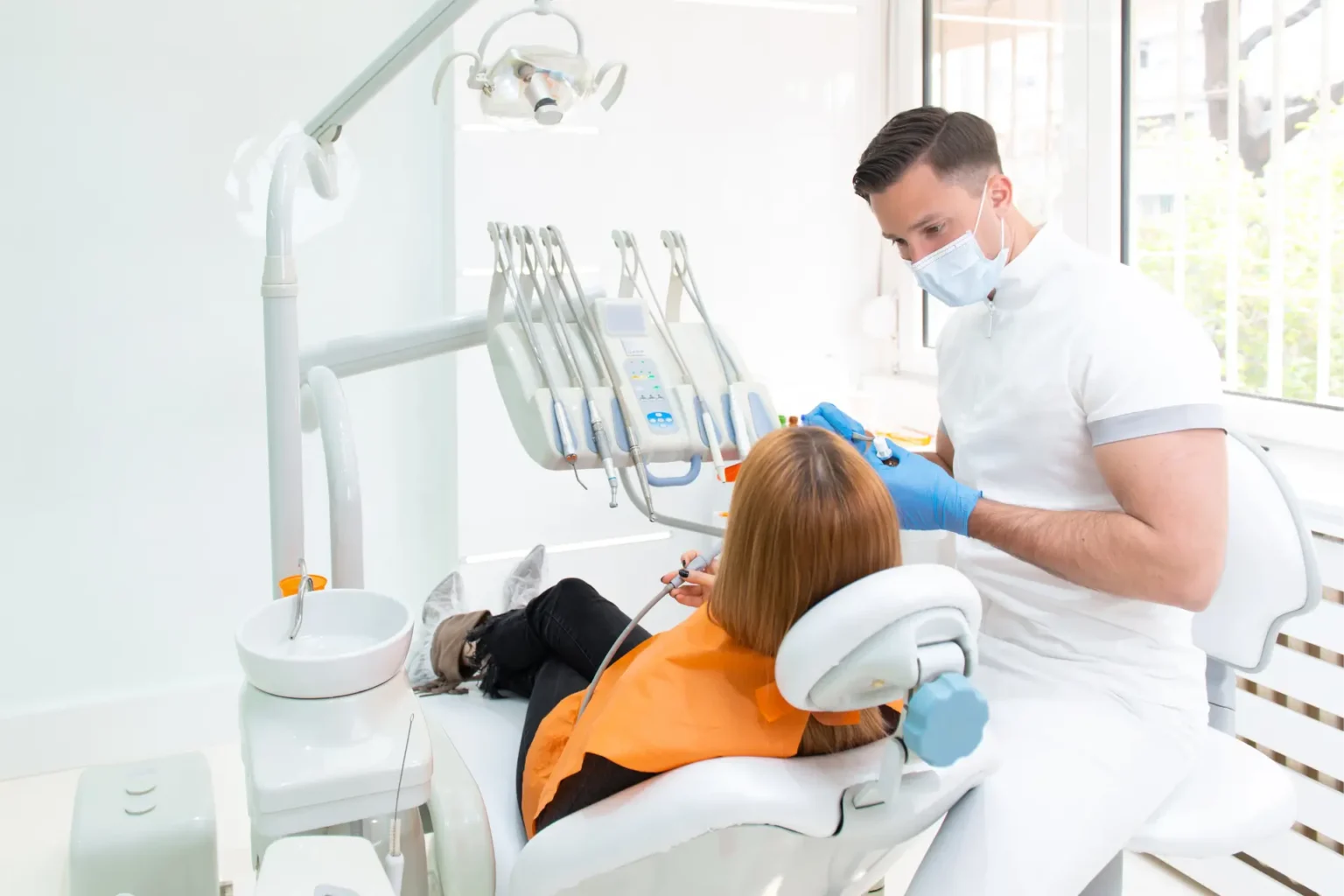
A child can fall off a scooter, collide with a coffee table, or catch an elbow during soccer, and within seconds a normal afternoon turns into a dental emergency. Few injuries create panic as quickly as a chipped front tooth or a tooth lying in a parent’s hand. There is blood, tears, confusion, and usually a pressing question: should we go to the emergency room, call an Emergency Dentist, or wait for our regular dental office to open?
The answer depends on the injury, the child’s age, and how quickly the tooth can be assessed. What matters most in those first minutes is not perfection. It is doing the right few things, in the right order, without making the damage worse. Parents often think the visible part of the tooth tells the whole story. In practice, trauma to a child’s tooth can also injure the nerve, the root, the surrounding bone, and the developing adult tooth underneath a baby tooth. That is why even a “small chip” deserves a careful look when pain, bleeding, or a loose tooth is involved.
The good news is that prompt, appropriate care often makes a meaningful difference. A knocked-out permanent tooth sometimes can be saved. A chipped tooth can frequently be repaired beautifully. Even when the injury looks dramatic, modern pediatric dental care gives children better outcomes than most families expect.
Why timing matters more than most parents realize
With dental trauma, time is not just about comfort. It can affect whether a tooth survives. A permanent tooth that has been completely knocked out has its best chance when it is reimplanted quickly, ideally within 30 minutes, though dentists may still attempt treatment beyond that depending on storage conditions and the child’s situation. The cells on the root surface are delicate. Letting the tooth dry out can sharply reduce the chance of successful healing.
Chipped teeth also need prompt attention, though the urgency varies. A tiny enamel chip is very different from a fracture that exposes the yellow dentin or the pink-red pulp. Children are not always good at describing pain, and the size of the visible chip does not always match the depth of injury. A tooth can look only moderately broken and still be exquisitely sensitive to air, cold water, or pressure. It can also be pushed out of position, loosened, or cracked below the gum line.
There is another reason not to delay. Trauma sets off swelling and inflammation. The sooner a dentist evaluates the area, the sooner bleeding can be controlled, soft tissues checked for embedded tooth fragments, and the tooth stabilized if needed. In my experience, families who seek care quickly often have smoother treatment and less distress over the next few days than those who wait overnight hoping things will “settle down.”
Start with the child, not the tooth
When a child is upset, adults naturally focus on the obvious dental damage. Step back for a moment. Before anything else, make sure the child is breathing normally, alert, and able to answer simple questions. If the fall involved a hit to the head, loss of consciousness, vomiting, unusual sleepiness, confusion, or a deep cut that will not stop bleeding, medical evaluation comes first. Teeth matter, but airway and head injury always take priority.
Once you are sure the child is medically stable, look inside the mouth in good light. A little blood can make the injury look worse than it is. Gently rinse with water if the child will allow it. Check whether the tooth is chipped, loose, displaced, or completely missing. It is worth counting teeth if the child is old enough to have a mixed smile with both baby and adult teeth, because parents in a panic sometimes cannot tell whether a lost tooth was a primary tooth or a newly erupted permanent one.
Age helps, but it is not enough on its own. Most children begin losing baby front teeth around ages six to seven, but there is plenty of variation. If you are unsure whether the missing tooth is baby or permanent, treat it as if it may be permanent until a dentist confirms otherwise.
What to do in the first few minutes
The first response should be calm, practical, and brief. Children take their cues from adults. If the room becomes frantic, the child becomes harder to examine and harder to help.
- Control bleeding with gentle pressure using clean gauze or a soft cloth.
- Rinse the mouth lightly with water so you can see the injury.
- If a permanent tooth is knocked out, pick it up by the crown, not the root.
- Place the tooth back in the socket if you can do so easily, or store it in milk or the child’s saliva if reimplantation is not possible.
- Call an Emergency Dentist immediately for guidance and a same-day visit.
That short sequence covers the most important priorities. The detail that surprises many parents is handling the tooth only by the crown, which is the chewing or visible part. The root surface contains living cells that need protection. Scrubbing it, wrapping it in tissue, or letting it dry on a counter can lower the chance of saving the tooth.
Chipped teeth are not all the same injury
A chipped tooth can range from cosmetic to urgent. A superficial enamel chip may leave a rough edge but little discomfort. These minor chips still deserve dental attention, especially if they affect the child’s bite or lip, but they rarely require a middle-of-the-night appointment unless there is pain or another complication.
A larger chip that reveals a yellow layer is more significant because the dentin is exposed. These teeth are often sensitive to cold air and food. If the fracture reaches the nerve, you may see a small pink or bleeding spot in the center of the break. That is an urgent situation. The child may have sharp pain, and the tooth has a higher risk of infection or long-term nerve damage if treatment is delayed.
There is also the issue of hidden cracks. A front tooth may look only slightly chipped while the force of impact has caused a deeper fracture that extends toward the root. Children sometimes protect the area and stop chewing on that side, which can be your clue that the injury is more substantial than it appears.
Treatment varies. For small fractures, a dentist may smooth the edge or bond tooth-colored material to restore shape. For larger fractures, treatment can involve a protective covering over the exposed dentin, a more extensive bonded repair, or nerve treatment in severe cases. The plan depends on whether the injured tooth is a baby tooth or a permanent tooth, how much structure remains, and whether the root is still developing.
The critical difference between baby teeth and permanent teeth
This is where many well-meaning parents make the wrong move. A knocked-out baby tooth should not be put back in the socket. Reimplanting a primary tooth can damage the developing permanent tooth underneath. If your four-year-old loses a front baby tooth in a fall, the priority is pain control, bleeding control, and prompt dental evaluation, not putting that tooth back.
A knocked-out permanent tooth is different. Reimplantation is often the goal, and speed matters. For many children, that means the upper front teeth injured around school age, sports age, or early adolescence. Those teeth are worth every effort to preserve.
Even with baby teeth, urgent care still matters. A dentist must check whether the tooth was fully avulsed, pushed up into the gum, displaced, or fractured in a way that leaves pieces behind. Parents sometimes think a baby tooth “just came out early,” only to learn the remaining fragment is interfering with the bite or injuring soft tissue. Dental X-rays can clarify the position of the tooth and the status of the bone and underlying adult tooth bud.
If a permanent tooth is knocked out
This is the scenario where clear action can change the outcome dramatically. If the child is old enough and cooperative enough, gently rinse the tooth for a second or two if it is visibly dirty. Use saline or milk if available, or clean water only briefly. Do not scrub, scrape, or disinfect it. If you can orient it correctly, place it back into the socket and have the child bite softly on gauze.
If that is not realistic, store the tooth in cold milk. A tooth preservation kit is excellent if one happens to be available, though most homes and schools do not have one. The child’s saliva can work in a pinch, such as having an older child spit into a clean container and placing the tooth there. Avoid plain tap water for longer storage. Water is easy to reach for, but it is not ideal for the root cells.
Then call an Emergency Dentist immediately. A good office will tell you whether to come straight in, whether they can see your child at once, and whether another type of care is needed first. Some dental offices reserve emergency slots each day for exactly this reason. If you cannot reach a dentist and there are additional injuries, significant facial trauma, or uncontrolled bleeding, go to the emergency room, knowing that medical teams may still refer you to a dentist for the tooth itself.
When the tooth is loose or pushed out of place
Not every serious injury looks dramatic. Sometimes the tooth remains in the mouth but feels wobbly, appears longer than the neighboring tooth, or points at an odd angle. This can indicate luxation, meaning the tooth has been displaced but not fully knocked out. These cases are time-sensitive because the supporting ligament and bone have been injured.
Parents should resist the urge to straighten a displaced baby tooth on their own. It is tempting, especially if the tooth looks visibly crooked, but forcing it can worsen the damage. A dentist needs to evaluate mobility, root position, and bite interference. For permanent teeth, the dentist may be able to reposition and stabilize the tooth with a splint. For baby teeth, the plan may involve observation, smoothing sharp edges, or extraction if the injury threatens the permanent successor or causes significant pain.
One practical point is eating and drinking. A child with a loose or displaced tooth should avoid biting into apples, toast, crusty pizza, or anything hard. Soft foods, cool drinks, and a spoon rather than front-tooth biting can make the day much easier until treatment is provided.
Pain, swelling, and what families can safely do at home
Home care before the dental visit should stay simple. An ice pack wrapped in cloth on the lip or cheek can reduce swelling and provide some comfort. Over-the-counter pain medicine may help if the child can safely take it and the parent follows age-appropriate dosing instructions from the product label or the child’s physician. Aspirin should be avoided in children unless specifically directed by a medical professional.
Oral hygiene still matters after trauma. The mouth heals better when it is kept reasonably clean. That said, aggressive brushing around the injured area is not helpful. Gentle rinsing and careful cleaning elsewhere in the mouth are usually enough until the dentist gives more specific instructions.
Parents often ask whether they should save a broken fragment from a chipped tooth. Yes, if you can find it. Sometimes the dentist can bond the child’s own tooth fragment back in place, especially if it has been kept moist and the break is clean. It is not always possible, but when it is, the result can look remarkably natural.
Signs the injury may be more serious than it first appears
Some children cry immediately and then seem surprisingly fine. Others become upset hours later once the numbness of the moment passes. A tooth injury can evolve over time, which is why careful follow-up matters even after the urgent visit.
Watch for these signs in the hours and days after the accident:
- Increasing pain, especially throbbing pain or pain that wakes the child.
- Swelling of the gum, lip, or face that worsens instead of improving.
- A tooth that darkens, becomes more mobile, or feels high when the child bites.
- Fever, bad taste, or drainage near the injured tooth.
- A cut lip or cheek that may contain a hidden tooth fragment.
Those changes do not always mean a worst-case outcome, but they should prompt a call to the dentist. It is common for a traumatized primary tooth to darken over time, and not every color change demands immediate treatment. Emergency Dentist Still, discoloration tells the dentist something about the tooth’s blood supply and can influence monitoring or intervention.
What the Emergency Dentist is looking for
Families sometimes expect the visit to focus only on the visible broken tooth. A thorough emergency dental assessment is broader. The dentist evaluates the injured tooth, neighboring teeth, bite alignment, gum tissues, lips, and supporting bone. Small tooth fractures can be embedded in the lip after a collision. If a child has a swollen upper lip after a front-tooth injury, an X-ray of the soft tissue may be needed to rule out a hidden fragment.
Radiographs are often part of the exam, though not in every minor chip. They help identify root fractures, intrusion into the gum, displacement, and damage to developing permanent teeth. This is especially important in younger children with primary teeth. A tooth that has been pushed up into the gum can look as if it vanished, when in fact it has been intruded rather than avulsed.
The dentist is also judging long-term prognosis. A permanent tooth with an open apex, meaning the root is still developing, behaves differently from a fully mature tooth. The treatment goal may include preserving the pulp if possible to allow continued root formation. That kind of decision-making is one reason pediatric dental trauma care benefits from experience. The repair you can see on day one is only part of the story.
What treatment may look like over the next few weeks
For a simple chip, the child may leave with a smooth edge or bonded filling and return later for follow-up. For a more significant fracture, the dentist may place a temporary protective material first and reevaluate once the tooth has settled. If the pulp is exposed, treatment may range from a pulp cap to more involved therapy, depending on the tooth and the timing of care.
Knocked-out or displaced permanent teeth often need splinting, which uses a flexible material to stabilize the tooth for a short period while it heals. Follow-up visits check mobility, symptoms, and X-rays over time. A tooth can look fine right after trauma and still develop nerve problems months later. That is not a sign the original care failed. It is the nature of traumatic injury. Families need to know that monitoring is part of good treatment, not an afterthought.
With baby teeth, the path may be surprisingly conservative. Sometimes the best decision is watchful management with regular review, especially if intervention would create more stress or greater risk to the developing permanent tooth. Other times extraction is the safer route, particularly if the tooth is very loose, interfering with the bite, or causing pain and infection.
The emotional side of dental trauma in children
The technical part of care matters, but so does the child’s memory of the event. Dental emergencies can become formative experiences. A child who felt trapped or frightened during one urgent visit may become reluctant to attend routine care later. Experienced pediatric teams know this and pace the appointment accordingly. They explain what they are doing in child-friendly language, control discomfort early, and make the room feel predictable.
Parents help more than they realize by using calm, simple words. “The dentist is going to help your tooth” works better than “This won’t hurt” or “Please don’t cry.” Children know when adults are making promises they cannot fully keep. What steadies them is honesty paired with confidence.
I have seen children walk in holding a tooth in a cup of milk, cheeks wet from crying, and walk out with the situation under control, pain reduced, and parents visibly relieved. Even when the tooth could not be saved, the emotional shift after a competent emergency visit was enormous. Families move from panic to a plan, and that matters.
Sports, playgrounds, and preventing the next emergency
Not every accident is preventable, but many dental injuries are. Custom-fitted mouthguards are one of the most underused protective tools in youth sports. Store-bought guards are better than nothing, but a properly fitted guard from a dentist offers better comfort, speech, and protection, which means kids are more likely to keep it in. This matters not only for football and hockey, but also for basketball, skateboarding, martial arts, and soccer.
At home, prevention is less glamorous and just as important. Wet bathroom floors, climbing on furniture, trampolines without supervision, and scooters without face protection all create familiar injury patterns. Parents who have been through one dental trauma tend to become very practical about these risks.
There is also value in preparedness. Keep the number of your child’s dentist somewhere easy to find. Know whether the office offers after-hours emergency coverage. If your child plays sports regularly, ask your dentist what to do if a permanent tooth is knocked out, before it ever happens. Families make better decisions when they are not learning the steps while staring at blood on the kitchen floor.
When to choose the ER and when to choose an Emergency Dentist
This is one of the most common points of confusion. If your child has a major facial injury, signs of concussion, uncontrolled bleeding, difficulty breathing, severe swelling, or a suspected jaw fracture, the emergency room is the right first stop. Medical stabilization comes first.
If the injury is isolated to the teeth and mouth, an Emergency Dentist is often the more useful first call. Dentists have the tools and expertise to manage tooth reimplantation, bonding, splinting, bite assessment, and dental imaging in ways most emergency rooms cannot. ER clinicians are essential for broader trauma, but they usually do not perform definitive dental repair. Parents sometimes spend hours in the hospital only to leave with pain medication and instructions to see a dentist the next morning. That may still be necessary depending on the overall injury, but when the issue is chiefly a chipped, loose, or knocked-out tooth, direct dental care is often the fastest route to the treatment the child actually needs.
The longer view after the emergency passes
Dental trauma rarely ends with one appointment. Injured teeth need follow-up because healing is dynamic. A permanent tooth may remain stable and healthy, or it may later show signs of pulp damage, root resorption, or color change. A traumatized baby tooth may affect the way the adult tooth erupts months or years later, particularly if the child was very young at the time of injury.
That is why parents should keep records, take photos if they can, and attend recommended rechecks even if the child seems fine. The immediate goal is to handle pain, preserve the tooth if possible, and restore function. The broader goal is to protect your child’s long-term oral health and development.
A chipped or knocked-out tooth feels overwhelming in the moment, especially when it happens to a child. Still, the most effective response is usually straightforward: stay calm, protect the tooth if it is permanent, avoid reimplanting a baby tooth, and get prompt professional care. Quick action does not guarantee a perfect outcome, but it consistently improves the odds. In pediatric dental trauma, those first few minutes matter, and so does having the right team ready when they do.
Vitality Dental
1220 Coit Rd # 106, Plano, TX 75075, United States
+1 972-645-4100
FAQ About Emergency Dentist
What counts as a dental emergency?
A knocked-out tooth, significant mouth injury, severe tooth pain, or painful swelling warrants prompt evaluation. Call your dentist and describe your symptoms so the office can advise you on how urgently you need care.
What should I do if I knock out a permanent tooth?
Call a dentist immediately. Handle the tooth by the crown, avoid touching the root, and keep it moist. If you cannot put it back into the socket easily, transport it in milk or a tooth-preservation solution. Bring it with you to the appointment.
Should I go to the emergency room for a dental emergency?
Seek emergency medical care right away if you have trouble breathing or swallowing, uncontrolled bleeding, or a serious facial injury. For an isolated tooth injury or toothache without those symptoms, call a dentist promptly for guidance.