Nighttime Dental Emergency: How to Get Relief Until Morning
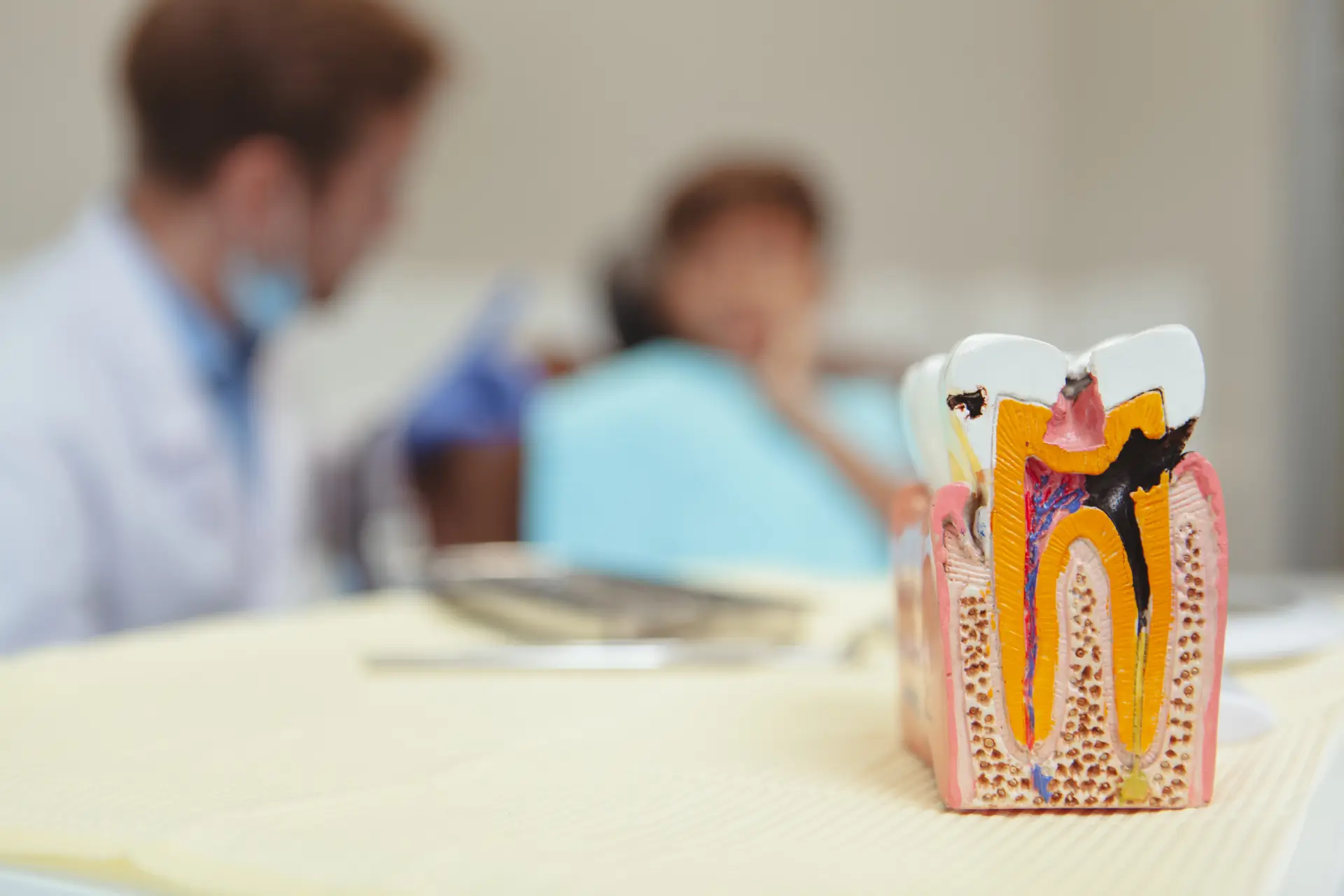
There is a particular kind of misery that comes with a tooth problem at 11:30 p.m. The house is quiet, the pharmacies may be closing, your regular dentist is unavailable, and the pain seems to get louder the later it gets. People often assume a dental problem can simply wait until business hours. Sometimes it can. Sometimes it should not.
The hard part is telling the difference while you are tired, uncomfortable, and trying not to panic.
A nighttime dental emergency usually falls into two categories. The first is urgent but manageable at home for a few hours, such as a lost filling, a cracked tooth without severe bleeding, or a throbbing toothache that needs temporary relief until morning. The second is truly urgent and needs immediate medical or dental help, such as significant swelling, difficulty breathing, uncontrolled bleeding, or trauma that has displaced a tooth.
Most overnight dental problems are about buying time safely. The goal is not to fix the issue yourself. The goal is to reduce pain, protect the tooth and surrounding tissue, and avoid making the problem worse before you can be seen by a dentist.
Start by deciding how urgent it is
Not every dental emergency belongs in an emergency room, but some absolutely do. The biggest mistake I see people make is minimizing facial swelling or trying to “sleep it off” when there are signs of infection spreading beyond the tooth.
A severe tooth infection can move from the tooth into the gum, jaw, and soft tissues of the face. In rare but serious cases, swelling can threaten the airway. This is why dentists take rapidly increasing facial swelling seriously, especially when it is paired with fever, trouble swallowing, or trouble breathing.
If the pain is intense but localized, and you are otherwise able to eat soft food, swallow normally, and speak without distress, you may be able to manage symptoms until your dentist opens. If there has been a fall, sports injury, or blow to the face, the picture changes. Trauma can involve not just teeth but bone, gums, lips, and the jaw joint.
Here are the signs that should push you to seek immediate care rather than waiting for morning:
- Trouble breathing, swallowing, or opening your mouth because of swelling
- Bleeding that does not slow after firm pressure for 10 to 15 minutes
- A permanent tooth that has been knocked out, pushed out of place, or loosened after trauma
- Facial swelling that is growing quickly, especially with fever or a bad taste from draining infection
- Suspected broken jaw, severe facial injury, or loss of consciousness
If none of those apply, you can usually focus on symptom control and contact your dentist as soon as the office opens.
Toothache at night, what helps and what backfires
A toothache can come from decay, a cracked tooth, a failing filling, gum inflammation, grinding, or infection inside the pulp. To patients, many of these feel the same at first. The classic nighttime pattern is throbbing pain that gets worse when lying down. That happens partly because blood flow and pressure in the head can make an inflamed tooth feel more intense.
The first line of relief is often simple, but the details matter. Rinse gently with warm salt water if your mouth is sore or food may be trapped around the area. Use a soft toothbrush and clean the surrounding teeth carefully. It is surprisingly common for what feels like a deep toothache to be aggravated by a popcorn hull, meat fiber, or a hard seed wedged under the gum.
Cold can help if the pain is coming with swelling or follows an injury. Place a cold pack or a bag of frozen peas wrapped in a thin towel on the outside of the cheek for short intervals. Do not put ice directly on the tooth or gum. That can make pain worse, especially if the tooth is cracked or inflamed.
Over the counter pain medicine often provides the best overnight relief when taken as directed on the label and when it is safe for you medically. Many adults do well with common nonprescription options, but the right choice depends on age, kidney disease, liver disease, stomach ulcers, blood thinners, pregnancy, and other factors. If you already know your physician has told you to avoid certain pain relievers, stick to that advice. It is better to use a less effective but safe option than to create a medical problem in the middle of a dental one.
Two remedies remain stubbornly popular and are worth warning against. Do not place aspirin directly on the gum or tooth. It does not treat the source of pain and can burn the tissue. Also avoid using very hot compresses on a swollen face. Heat can sometimes increase swelling and discomfort.
If lying flat ramps up the throbbing, prop your head up with an extra pillow. That small adjustment can make the difference between getting some sleep and staring at the ceiling until dawn.
A broken tooth, chipped tooth, or lost filling feels alarming, but context matters
A chipped tooth can be a cosmetic nuisance or a true emergency depending on the size of the break, the amount of pain, and whether the nerve is exposed. A tiny chip with no sensitivity can usually wait. A larger break with sharp edges, cold sensitivity, or visible pink tissue inside the tooth needs prompt attention, even if you can make it through the night.
If a filling falls out, the exposed area can be very sensitive to air, sweets, and temperature. In many cases, the discomfort is manageable overnight if you keep the area clean and avoid chewing on that side. Some people use temporary dental repair material from a pharmacy. Those products can be useful for a short bridge to the next day, especially for a lost filling or loose crown, but they are not a substitute for care. They can dislodge, trap bacteria, or create a false sense that the tooth is “handled.”
When a crown comes off, save it. Rinse it gently and keep it in a clean container. If it slips back on easily without force and feels stable, some people use temporary dental cement sold for this purpose. If it does not seat properly, do not push it into place. An improperly seated crown can alter your bite and worsen pain.
One of the more memorable cases I have seen involved a patient who ignored a cracked molar after dinner because the pain eased once he stopped chewing. By midnight, the crack had shifted enough that every time he clenched in his sleep, a jolt woke him up. The next morning the tooth was still restorable, but only barely. That is a useful reminder that teeth often worsen under pressure, even when they seem tolerable at first.
If a tooth gets knocked out, minutes matter
This is one of the few situations where immediate action can directly affect whether the tooth survives. If a permanent tooth has been knocked out, handle it by the crown, not the root. If it is dirty, rinse it briefly with milk or saline, or very gently with water if nothing else is available. Do not scrub it and do not wrap it in tissue.
If the person is alert and able, the best place for the tooth is often back in the socket right away, as long as it is a permanent tooth and can be positioned correctly without force. If that is not realistic, keep the tooth moist. Milk is commonly used because it is gentler on the root surface than plain water. A tooth preservation kit is ideal if you happen to have one, but most people do not. Letting the tooth dry out on a counter is the worst option.
Baby teeth are different. They generally should not be replanted because of the risk to the developing permanent tooth underneath.
This kind of dental emergency does not wait until the next afternoon if it can be helped. Even if it is the middle of the night, call an emergency dentist if one is available.
Swelling is the symptom that deserves the most respect
Pain gets attention, but swelling is often the symptom with greater medical significance. A swollen gum near a bad tooth may indicate a localized abscess. Swelling in the cheek, under the jaw, or near the eye suggests a process that is no longer confined to one Vitality Dental Dental Emergency small spot.
People sometimes describe the taste of drainage in the mouth and feel briefly better once pressure decreases. That can happen when an abscess drains on its own, but it does not mean the infection is gone. It means the infection has found a path. You still need professional treatment.
At home, focus on comfort and caution. Rinse gently with warm salt water. Stay hydrated. Do not squeeze the swelling or attempt to lance it. Do not start leftover antibiotics from an old prescription. The wrong antibiotic, the wrong dose, or too few tablets can make a dental infection harder to treat later.
If the swelling is mild and stable, you may be able to wait until morning for a dental visit. If it is progressing over hours, especially with fever, malaise, or difficulty swallowing, seek urgent care right away.
What to do for common nighttime dental problems
The safest overnight approach is practical and conservative. Think protect, clean, reduce pain, and avoid pressure.
- Rinse with warm salt water and gently clean around the painful area
- Use a cold pack on the outside of the face if there is swelling or recent trauma
- Take over the counter pain medicine only as directed and only if it is safe for you
- Avoid chewing on the affected side, and choose soft, bland foods if you need to eat
- Save any broken tooth fragment, lost crown, or dental appliance and bring it to the appointment
That short list covers a surprising number of situations. It also avoids the common late night spiral of trying one home remedy after another and irritating the area further.
Night guards, braces, dentures, and other special cases
Dental pain does not always come from a cavity or infection. People who grind or clench can wake with a deep, aching pain that feels like a tooth problem but is really pressure on the ligament around the tooth or strain in the jaw muscles. The discomfort often shows up in the morning, but it can also become obvious once the house is quiet and there are no distractions. If you wear a night guard, use it unless the tooth feels unstable or the appliance presses painfully on an injured area.
Orthodontic emergencies are a different breed. A poking wire from braces can feel unbearable at night even though it is not dangerous. Orthodontic wax can help. If you do not have wax, a small piece of sugar free gum can act as a temporary barrier. The key word is temporary. You still need the orthodontist Dental Emergency to adjust the wire.
Denture wearers and people with partials can run into pressure sores, trapped food, or a clasp that suddenly bends and digs into the gum. Resist the temptation to “fix” a metal clasp with pliers. Once bent the wrong way, it often becomes much harder to repair correctly.
Children at night require a little more interpretation
A child with dental pain may not explain it clearly. Some point to the wrong tooth. Some say their ear hurts. Some become clingy, refuse cold drinks, or wake repeatedly without saying why. A swollen face in a child deserves the same respect it does in an adult, and sometimes more, because the progression can feel fast.
If a child has fever, visible swelling, or trauma involving a permanent tooth, get help urgently. If the issue is pain from a likely cavity and there are no red flags, use age appropriate comfort measures, keep the child hydrated, and call the pediatric dentist first thing in the morning. Follow the dosing instructions exactly for any medicine. Guessing by size instead of using a proper pediatric dose can lead to mistakes.
One practical point many parents appreciate at 2 a.m. Is this: avoid sending a child to bed with a bottle, juice, or sugary lozenge for comfort when a tooth already hurts. Sugar and prolonged contact tend to intensify the problem by morning.
The home remedies people swear by, and the truth behind them
Clove oil comes up often, and there is a reason. It contains eugenol, which can have a numbing effect. Used very sparingly, it may reduce discomfort for some people. Used carelessly, it can irritate or burn the soft tissue. If someone chooses to try it, less is more, and it should not be poured directly onto the gums in quantity. Think dab, not soak.
Salt water rinses are low risk and often helpful, especially when the gums are inflamed or an extraction site is tender. They are not sterilizing the mouth in any dramatic way, but they can soothe tissue and help keep the area cleaner.
Hydrogen peroxide rinses are trickier. They can be appropriate in some dental settings when diluted and used briefly, but they are easy to overdo at home and can irritate healing tissue. At midnight, simple is better.
Alcohol, whether as a mouth rinse or an attempted “disinfectant,” is a poor choice. It can sting intensely, dry tissues, and create more misery than relief.
Garlic, tea bags, vanilla extract, and various internet pastes fall into a category I would call understandable but unreliable. Most are based on a grain of truth, a tradition, or a strong anecdote, but they are not dependable care. The more inflamed the tissue is, the more likely these experiments are to backfire.
What your dentist will want to know in the morning
If you end up calling right when the office opens, you will get better guidance if you can summarize the problem clearly. Dentists triage by pattern. Sharp pain with biting means something different from spontaneous throbbing that wakes you from sleep. A lost crown is handled differently from a fever with cheek swelling.
Be ready to say when the pain began, whether it is constant or triggered, whether there is swelling, whether the tooth is broken or loose, and what you have already taken for relief. If trauma caused the problem, mention when it happened and whether the tooth changed position. If you have the broken piece of tooth or the crown, say so.
This seems basic, but it matters. A receptionist hearing “my tooth hurts” has very little to work with. Hearing “lower right molar, sharp pain with pressure since tonight, no swelling, filling fell out after dinner” often gets you into the right chair faster.
Prevention rarely feels urgent until a late night proves otherwise
Most nighttime dental emergencies are not random. They are the end point of something that has been simmering, sometimes quietly, for months. A small cavity becomes a deep one. A cracked filling finally gives way while chewing steak. A tooth that has been sensitive to cold for weeks suddenly tips into full pulp pain overnight.
That does not mean every emergency was preventable. Sports injuries, falls, and surprise fractures happen. But many of the late night disasters that feel sudden are really delayed maintenance catching up all at once.
People who avoid routine care often tell themselves they are saving money or time because nothing hurts. Then a Friday night abscess leads to an emergency visit, antibiotics, poor sleep, and a larger bill than the original filling would have cost. That is not judgment, just a pattern. Teeth are forgiving right up until they are not.
If you tend to grind your teeth, use your night guard. If you have a temporary crown, do not assume it can handle caramels and hard nuts indefinitely. If a dentist recommends treating a cracked tooth before it becomes painful, there is often hard earned experience behind that advice.
The overnight goal is relief, not repair
When a dental emergency strikes at night, the smartest response is calm, not heroic. Keep the area clean, reduce inflammation where you can, use medication responsibly, protect anything that has broken or come out, and pay close attention to swelling, bleeding, and trauma.
A rough night does not always mean a catastrophe. Plenty of people make it safely to morning with a cracked tooth, a lost filling, or a painful cavity managed well enough to get some sleep. But genuine warning signs deserve respect. Breathing trouble, spreading swelling, uncontrolled bleeding, and knocked out permanent teeth are not “wait and see” problems.
Pain has a way of shrinking your world at midnight. It makes every minute feel longer and every possibility feel worse. In most cases, you do not need a perfect plan. You need a safe one, a little symptom control, and a clear sense of when a dental emergency crosses the line from uncomfortable to urgent. Once morning comes, let your dentist take it from there.
Vitality Dental
Address: 1220 Coit Rd #106, Plano, TX 75075
Phone number: +19726454100
FAQ About Dental Emergency
What can the ER do for a tooth?
An emergency room (ER) can manage pain and treat severe infections with medication, but it cannot fix or pull a tooth.
What is considered a dental emergency?
A dental emergency is any oral health problem that involves severe pain, uncontrollable bleeding, or an infection that threatens your health or requires immediate care to save a tooth.
Is there a 24-hour dental service in Plano, TX?
There is no physical dental clinic in Plano, Texas, that stays open with walk-in staff 24 hours a day, but several offices offer 24/7 phone support, late-night hours, or same-day emergency care.