The Ultimate Guide to Finding an Emergency Dentist in Plano, TX

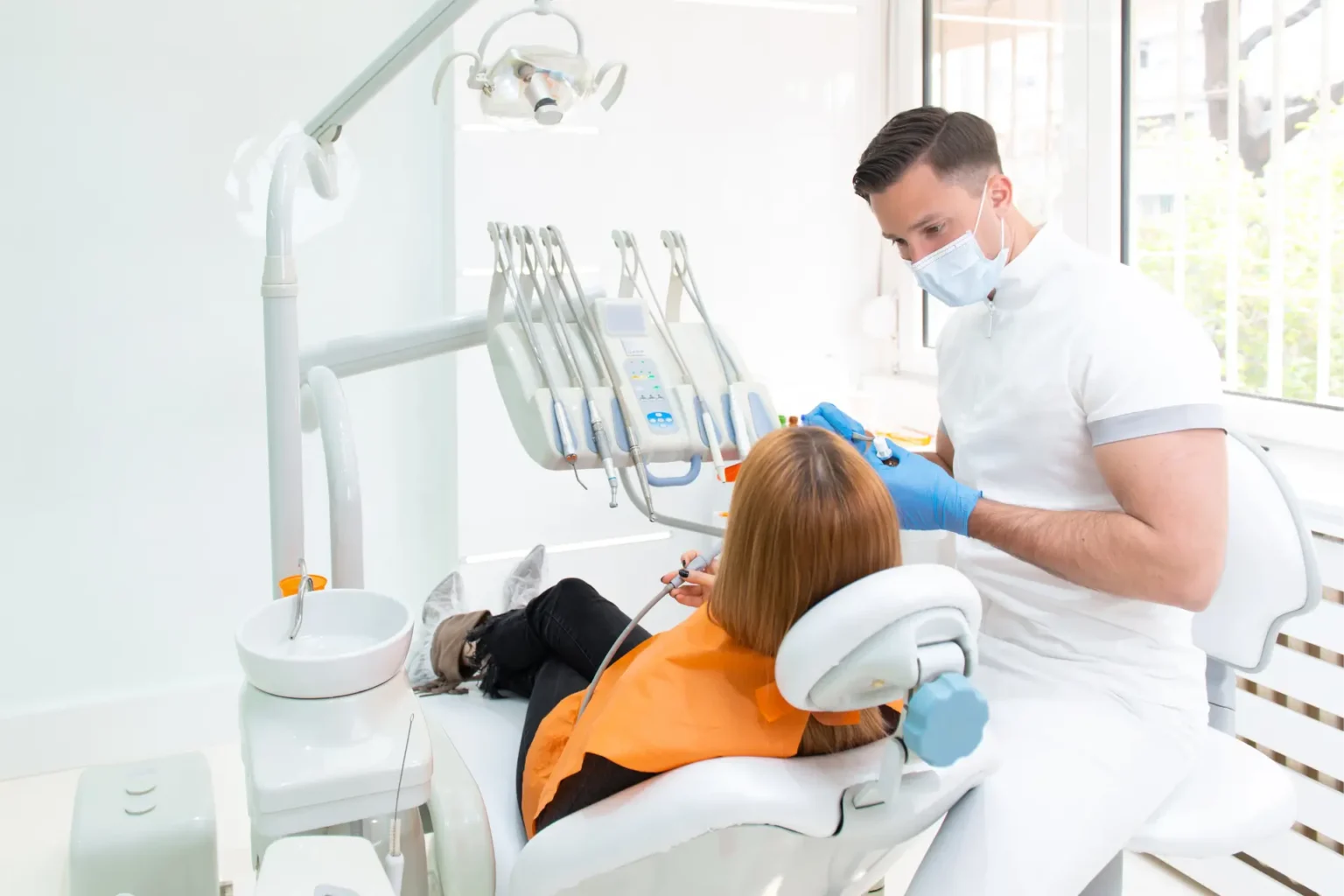
Dental emergencies have a way of ignoring schedules. A cracked molar rarely waits for a convenient Tuesday morning. A child’s tooth gets knocked loose during a weekend soccer game. A filling falls out just before a business trip. In a fast-growing city like Plano, where families, professionals, and retirees all keep busy calendars, knowing how to find the right help quickly matters more than most people realize.
The phrase Emergency dentist Plano, TX often gets typed into a phone only when someone is already in pain. At that point, judgment gets clouded. People rush, click the first result they see, and hope for the best. Sometimes that works. Sometimes it leads to long waits, unclear fees, or treatment that solves the immediate pain but creates bigger problems later.
A better approach is to understand what counts as a true dental emergency, how emergency dental practices typically operate, what to ask before you book, and how to judge whether a clinic is prepared to treat your specific problem. When you know what to look for, you can make a calm, informed choice, even if your mouth is throbbing and it is already after 6 p.m.
What actually counts as a dental emergency
Not every dental problem requires same-day treatment, but many do. The line between urgent and routine is not always obvious to patients. I have seen people try to “wait it out” with severe swelling, which can become dangerous quickly. I have also seen people panic over a chipped edge on a front tooth that, while frustrating, could safely wait until the next available appointment.
Pain alone is not the only measure. A dull toothache might turn out to be less urgent than a broken crown with exposed tooth structure. Bleeding, infection, trauma, swelling, and any issue that threatens the survival of a tooth usually deserve immediate attention.
Here are some situations that commonly call for prompt evaluation by an emergency dentist:
- Severe tooth pain that does not improve, especially if it keeps you from sleeping or eating.
- Swelling of the gums, face, or jaw, particularly if it is getting worse.
- A knocked-out, loose, or displaced tooth after an accident.
- A cracked, broken, or fractured tooth with pain, sharp edges, or exposed inner layers.
- Uncontrolled bleeding after an injury or recent dental procedure.
There are gray areas. A lost filling may or may not be urgent depending on pain, sensitivity, and how much tooth remains unsupported. A wisdom tooth flare-up can range from uncomfortable to serious if swelling limits swallowing or opening the mouth. A crown that came off might be manageable for a day or two if there is no pain, but not if the underlying tooth is weak, sharp, or infected.
The key is to treat symptoms as information, not inconvenience. The longer an infection, fracture, or trauma sits untreated, the harder and more expensive the repair often becomes.
Why speed matters more than most patients think
Teeth are small structures in a crowded, high-pressure environment. They absorb force, temperature changes, bacteria, and daily wear. When something goes wrong, the condition can escalate quickly.
Take a knocked-out permanent tooth. In the best-case scenario, getting that tooth repositioned or stored correctly and treated promptly can make the difference between saving it and losing it. Timing matters. The same is true for infections. A localized abscess can begin with tenderness and swelling around one tooth, then spread into surrounding tissues. Facial swelling is never something to dismiss casually.
There is also the issue of pain cycles. Patients sometimes wait until the pain becomes unbearable, then assume that if it fades the problem is gone. In reality, pain from an infected tooth can come and go as the nerve tissue changes. Relief does not necessarily mean healing. It can mean the problem has simply changed form.
In practical terms, same-day or next-day care often preserves more treatment options. A fresh fracture might be repaired. A delayed fracture may require a crown, root canal, or extraction. Fast care is not just about comfort. It is often about preserving tooth structure, reducing infection risk, and avoiding more invasive procedures.
How emergency dental care works in Plano
Plano has a broad mix of dental offices. Some are general practices that reserve a few same-day appointments for urgent cases. Some market themselves specifically for dental emergencies. Others operate with extended evening or weekend hours. You may also encounter urgent care centers and hospital emergency rooms, but those settings are usually not equipped to provide definitive dental treatment.
That distinction is important. A hospital can be appropriate if you have severe swelling affecting breathing, uncontrolled bleeding, major facial trauma, or systemic symptoms such as fever with spreading infection. But for most tooth-related emergencies, a dentist is the clinician who can diagnose the actual source and treat it directly. A physician may help with pain management or antibiotics, yet many patients still need to see a dentist immediately afterward.
In Plano, availability can vary by neighborhood, time of day, and insurance mix. A practice near Legacy West may operate differently than a smaller family office on the east side of town. Some clinics keep digital imaging in-house and can move quickly from exam to treatment. Others may evaluate you first, then schedule treatment later if a specialist is needed.
That does not automatically make one office better than another. It simply means you should understand how they function before assuming they can solve your problem in one visit.
What to look for when searching “Emergency dentist Plano, TX”
A search result is not a qualification. Strong marketing can make almost any office look equally capable online, so the real work starts after the first click.
Look closely at whether the office explains what same-day emergency care actually includes. Some practices can perform extractions, root canal therapy, crown re-cementation, and trauma management on-site. Others focus on exams, X-rays, temporary stabilization, and referrals. For a patient with an infected molar on a Saturday, that difference matters.
Pay attention to office hours, but do not stop there. “Open late” is useful only if someone can see you promptly and provide treatment that night. Read how the office handles after-hours calls. Some practices route emergencies to an answering service or on-call dentist. Others state clearly that they offer weekend appointments or same-day slots.
Reviews can help if you read them intelligently. Skip the vague praise and look for details. Did patients mention getting in quickly? Did the dentist explain options clearly? Was the office transparent about fees before Emergency dentist Plano, TX treatment? Reviews describing a broken tooth, severe pain, or a weekend visit are usually more relevant than comments about routine cleanings.
An experienced emergency dentist usually communicates with calm specificity. They ask about swelling, trauma, fever, bleeding, and pain level. They do not promise outcomes before an exam. They also tell you when a situation sounds serious enough to require immediate in-person care.
The phone call that tells you almost everything
One of the fastest ways to judge an emergency dental office is by how they handle your first call. Front desk teams in well-run practices tend to know how to triage. They ask the right questions, give practical instructions, and explain what to expect financially and clinically.
If a patient says, “My cheek is swollen and I can barely bite down,” a capable team should not respond with a generic, “We can probably see you next week.” They should ask when the swelling started, whether there is fever, whether swallowing or breathing is affected, and whether the pain began after trauma. Those details help determine urgency.
You should also get a straightforward explanation of logistics. Will there be an exam fee? Are X-rays likely? Is treatment such as an extraction or root canal potentially available at the same visit? Do they accept your insurance, and if not, what payment options exist? Vague answers at this stage often lead to frustration once you arrive.
A good emergency dental office does not need to oversell. Clarity is usually a better sign than flashy language.
Questions worth asking before you drive over
When you are in pain, it helps to keep the conversation simple and focused. These questions often reveal whether an office is genuinely prepared for emergency care:
- Can you see me today, and if so, roughly how soon?
- What is the emergency exam fee, and are X-rays included or billed separately?
- If I need treatment today, what procedures can be done in the office?
- Do you accept my insurance, and what payment options do you offer if treatment is more extensive?
- Based on my symptoms, is there anything I should do before arriving?
Notice that none of these questions are complicated. They are practical. They tell you about access, cost, scope of care, and immediate safety. In an emergency, that information is more useful than a long explanation of cosmetic services or loyalty plans.
Red flags that deserve caution
Some warning signs are subtle. Others are obvious.
One common red flag is an office that advertises emergency dentistry aggressively but cannot define appointment availability. Another is pressure to commit before an exam. No ethical dentist can guarantee a root canal, extraction, or exact price without evaluating the tooth and taking appropriate images.
Be careful with unusually low promotional prices that apply only to the exam but leave out common emergency essentials. A patient may arrive expecting one fee, only to learn that X-rays, medications, temporary treatment, or follow-up care are all separate. Emergency dentistry is not always cheap, but transparent dentistry is possible.
Another concern is poor triage. If you describe facial swelling, trauma, or a knocked-out tooth and the office responds without urgency or basic guidance, that suggests inexperience or disorganization. In emergency care, process matters.
Finally, trust your sense of how seriously your condition is being treated. If the staff seems rushed, dismissive, Emergency dentist Plano, TX or unable to answer basic questions, keep looking if your situation allows. Good emergency care starts long before the dentist enters the room.
Cost, insurance, and the reality of urgent treatment
Patients often hesitate to seek emergency care because they fear a large bill. That concern is understandable. The final cost can vary widely depending on whether you need only an exam and medication, or whether the visit leads to a root canal, extraction, crown work, or referral to a specialist.
In Plano, pricing will depend on the office, the complexity of the problem, and whether you have insurance. A straightforward emergency exam with X-rays may be relatively manageable. A same-day procedure on a molar, especially one involving advanced imaging or specialty care, can be a different financial conversation altogether.
The most useful thing you can do is ask for a range and a process. A well-run office can usually explain the likely first-visit cost and describe possible next steps if the diagnosis points toward more extensive treatment. Some offices offer financing, third-party payment plans, or staged treatment where clinically appropriate. That can be especially helpful for patients who need immediate pain relief but cannot absorb the full cost of definitive treatment in one day.
Insurance can reduce out-of-pocket costs, but it rarely removes them completely. Emergency visits may still include deductibles, annual maximums, or limits on specific procedures. It is worth confirming whether the office is in network, but if you have a true emergency, speed and competence may matter more than ideal network status.
When a hospital emergency room is the better choice
There are moments when a dental office is not the safest first stop. This point gets overlooked because people assume any oral pain belongs in a dental chair. Usually that is true, but not always.
If swelling is interfering with breathing, swallowing, or opening the mouth; if bleeding will not stop; if there has been significant facial trauma; or if infection is accompanied by fever and signs of systemic illness, the emergency room may be more appropriate. Serious oral infections can become medical emergencies. So can injuries involving the jaw, facial bones, or soft tissues.
The hospital is also important when the issue extends beyond the tooth itself. A dentist can manage many urgent dental conditions, but an emergency department has resources for airway support, imaging beyond standard dental films, and broader medical stabilization.
For more routine but still urgent dental problems, however, the hospital often cannot provide the definitive fix. That is why many patients leave with medication and instructions to see a dentist as soon as possible. Knowing which setting fits which problem can save both time and unnecessary expense.
What to do while you are waiting to be seen
The period between making the appointment and sitting in the chair can feel very long when pain is sharp or swelling is rising. What you do during that window can help, or make matters worse.
With a knocked-out permanent tooth, careful handling is critical. Hold it by the crown, not the root. If it is dirty, rinse it gently with clean liquid, but do not scrub it. Keeping the tooth moist matters. If a dentist has instructed you on safe storage and you can follow those instructions, do so immediately.
For swelling, a cold compress on the outside of the face can be useful. Heat is usually a poor choice if infection is suspected. Over-the-counter pain medication may help some patients, assuming they can take it safely and according to the label. Aspirin placed directly on gum tissue is an old home remedy that still causes avoidable chemical burns, so it is best avoided.
If a crown or filling comes out, save the restoration if you can and bring it with you. If a tooth has sharp edges after breaking, covering the area temporarily with dental wax from a pharmacy can reduce irritation until the visit. Gentle rinsing with warm salt water may soothe some conditions, but it is not a substitute for treatment.
Above all, do not let temporary symptom relief persuade you to cancel. Many emergency dental conditions become quieter before they become worse.
Plano-specific practicalities that affect your decision
Choosing an emergency dentist in Plano is not just about who appears first in search results. Local realities matter. Traffic on major routes can turn a short drive into a delay when every minute feels magnified by pain. Office location relative to your home, work, child’s school, or weekend activities can make a real difference.
Plano also has a mix of independently owned practices, larger multi-location dental groups, and specialty clinics. Larger groups may offer broader scheduling coverage and multiple providers. Smaller offices may provide more continuity and a more personal handoff if follow-up care is needed. Neither model is inherently superior. The better fit depends on the emergency and how quickly the office can act.
Parents should think about whether the office is equipped to handle children comfortably and efficiently. Adults with complex dental histories should consider whether the practice manages implants, crowns, root canals, and older dental work regularly. A 25-year-old with a sports injury and a 68-year-old with a fractured crown on a root canal-treated tooth do not always need the same kind of office.
Local climate and lifestyle can also play a role in dental emergencies, more than people expect. Dry mouth from medication, sports participation year-round, and the ordinary stress of packed schedules all show up in emergency visits. Cracked teeth from grinding are common in busy professionals. Trauma cases rise around active weekends and school sports seasons. The right emergency dentist recognizes those patterns and treats them as routine, not surprise.
Special situations that change the right answer
Pregnancy, diabetes, blood thinners, immune suppression, and recent surgeries all complicate emergency dental decisions. If any of these apply, mention them during the first call. They affect what medications are appropriate, how bleeding is managed, and whether infection carries greater risk.
Patients with significant dental anxiety should say so early as well. In urgent cases, fear can be as disabling as the tooth itself. Some offices are far better than others at accommodating anxious patients, whether through communication style, comfort options, or sedation protocols when appropriate.
Children deserve separate mention. A knocked-out baby tooth is handled differently from a knocked-out permanent tooth. Trying to manage both situations the same way can cause harm. If the patient is a child, tell the office the child’s age right away and describe whether the injured tooth is likely primary or permanent if you know.
A final edge case is the “half-treated” emergency, the patient who started care elsewhere, then needs help after-hours or while traveling. This happens often with temporary crowns, unfinished root canals, recently placed implants, or post-extraction complications. Some offices welcome these cases readily. Others prefer not to step into active treatment started elsewhere unless the problem is strictly urgent. Ask directly.
How to prepare before an emergency ever happens
The best time to look for an emergency dentist is before you need one. Most people do the opposite. They wait until they are in pain, then make decisions with one eye half-closed and a phone battery at 8 percent.
Spend twenty minutes now and you can spare yourself a much harder hour later. Save the names of one or two dental offices in Plano that clearly offer emergency care. Check their hours, insurance participation, and after-hours instructions. If you have children, make sure at least one option sees pediatric emergencies or can guide you appropriately. If you have complex restorative work, identify a practice comfortable handling crowns, bridges, implants, and root canal complications.
Keep your dental insurance information easy to access. If you wear a night guard or play contact sports, use the protective devices you already paid for. A surprising share of urgent visits come from preventable fractures and trauma. Routine care helps too. Teeth that receive regular exams are less likely to surprise you with advanced decay, cracked restorations, or untreated infections.
Preparedness is not dramatic, but it works.
The best choice is rarely the first ad
When people are hurting, they understandably want the quickest answer. But the first ad, the cheapest coupon, or the closest office is not always the best fit for the problem in front of you. The goal is not merely to get seen. It is to get evaluated promptly, treated appropriately, and told honestly what comes next.
A strong emergency dentist combines speed with judgment. They know when a tooth can be saved and when it cannot. They know when swelling needs aggressive attention and when a temporary measure is sufficient until definitive treatment. They communicate clearly about costs, options, and risks. They do not make the situation feel more chaotic than it already is.
If you live or work in Plano, having a plan for urgent dental care is one of those small pieces of preparation that pays off disproportionately. The search for an Emergency dentist Plano, TX does not have to be frantic or blind. With the right questions and a clear sense of what matters, you can move from panic to action quickly, and that is often the difference between a manageable dental crisis and a much larger one.
Vitality Dental
1220 Coit Rd # 106, Plano, TX 75075, United States
+1 972-645-4100
FAQ About Emergency dentist Plano, TX
Will the ER do anything for dental pain?
An emergency department can assess urgent symptoms and provide medical stabilization. Definitive treatment of the tooth usually requires a dentist. Seek emergency medical care for breathing or swallowing difficulty, uncontrolled bleeding, or serious facial injury.
What to do if I have a dental emergency in the middle of the night?
Contact a dentist or after-hours dental service promptly for guidance. If a permanent tooth is knocked out, keep it moist in milk while seeking immediate care. If symptoms suggest a medical emergency, go to an emergency department.
What qualifies as a dental emergency?
A knocked-out permanent tooth, severe or persistent tooth pain, a significant dental injury, or swelling may require urgent dental assessment. Call a dentist to describe the symptoms and determine timing. Uncontrolled bleeding or difficulty breathing or swallowing requires emergency medical care.