Weekend Appointments With an Emergency Dentist in Plano, TX
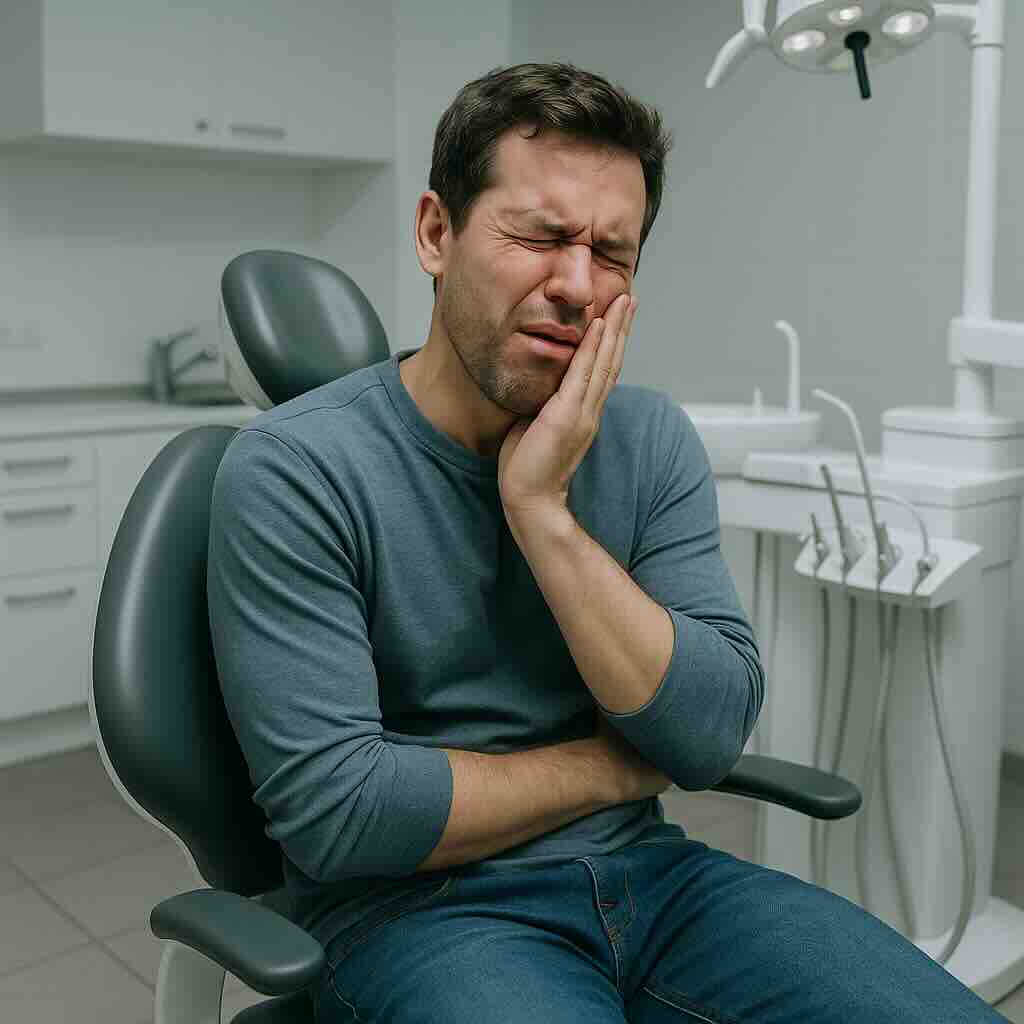
A dental emergency has a way of wrecking the timing of everything else. It never seems to happen on a slow Tuesday morning when your regular office has an opening. More often, it hits late on a Friday, during a family barbecue on Saturday, or halfway through a Sunday afternoon when most practices are closed and every minute starts to feel longer than it is.
That is exactly why weekend dental care matters. If you are dealing with severe tooth pain, facial swelling, a broken crown, a knocked-out tooth, or bleeding that will not stop, waiting until Monday can turn a manageable problem into a much bigger one. For many patients, finding an emergency dentist in Plano, TX on a weekend is less about convenience and more about preventing complications, preserving the tooth, and getting enough relief to function normally again.
People often underestimate how quickly dental problems can escalate. A cracked tooth can deepen with one careless bite. An infection that starts as a dull ache can become intense, throbbing pressure overnight. A lost filling can leave a nerve exposed and make cold air feel unbearable. In those moments, what patients need most is not a lecture on flossing habits. They need someone who can assess the situation, control the pain, and tell them honestly what happens next.
Why weekend dental emergencies feel different
There is a particular stress that comes with a Saturday dental emergency. During the workweek, most people know the routine. They call their dentist, explain the issue, and hope to be squeezed in. On the weekend, that familiar path disappears. Phones roll to voicemail. Office websites are vague. Urgent care clinics can help with pain medication in some cases, but they usually cannot fix the tooth itself. Emergency rooms can rule out dangerous swelling or trauma, yet they rarely provide definitive dental treatment.
That gap leaves patients trying to judge their own situation under pressure. Is this level of pain normal after a filling? Should I worry about swelling near the jaw? If a child chips a tooth at a soccer game, does it need immediate care or can it wait? These questions are common, and they are harder to sort out when the usual support system is unavailable.
Weekend appointments exist to bridge that gap. A true emergency dental visit is not simply a regular cleaning slot offered on a Saturday. It is meant for urgent conditions that need prompt evaluation and treatment. In a good emergency setting, the focus is immediate stabilization first, then longer-term planning once the crisis is under control.
What qualifies as a dental emergency on a weekend
Not every dental problem needs same-day care, but many do. The distinction matters because it affects how quickly you should seek treatment and what kind of office you should contact.
Severe toothache is one of the most common reasons people look for an emergency dentist in Plano, TX. Persistent, intense pain can point to a deep cavity, a failing restoration, an abscess, or trauma to the tooth. If the pain wakes you up, worsens with pressure, or comes with swelling, heat, or a bad taste in the mouth, it deserves urgent attention.
A broken tooth is another frequent weekend problem. Sometimes the fracture is mostly cosmetic, a chipped edge that can wait a day or two. Sometimes it is not. If the break exposes inner tooth structure, causes sharp pain, or leaves jagged edges cutting your tongue or cheek, delaying treatment can make the damage worse.
Knocked-out teeth are time-sensitive in a way many people do not realize. In the best-case scenario, quick action can mean the difference between saving and losing the tooth. Reimplantation success drops as time passes, so weekend availability matters enormously here.
Swelling, especially when it spreads into the cheek, gums, or jawline, is one of the clearest reasons to seek care fast. Dental infections can move beyond the tooth. If swelling is accompanied by fever, trouble swallowing, or difficulty breathing, that moves beyond dental urgency into a medical emergency and requires immediate hospital evaluation.
Lost crowns, dislodged bridges, and broken dentures can also justify a weekend visit, depending on pain and function. Not every case is dramatic, but a missing crown on a root canal-treated molar can leave the tooth vulnerable to fracture. A front tooth restoration that comes off before an important event may carry both practical and emotional urgency.
What usually happens at a weekend emergency appointment
Patients sometimes imagine an emergency dental visit as chaotic or limited, but in a well-run office it is usually very focused. The aim is to diagnose the urgent problem, relieve acute symptoms, and decide whether definitive treatment can be completed immediately or should be staged.
You will generally be asked about the timeline first. When did the pain start? Was there trauma? Is the pain sharp, throbbing, constant, or triggered by temperature? Has swelling increased? Are you taking any medications, especially blood thinners or antibiotics? Those details help narrow the diagnosis quickly.
After that, the dentist will examine the area and often take X-rays. Imaging matters because symptoms can mislead. A patient may think the upper right tooth is causing pain, for example, when the real source is a lower tooth referring discomfort across the bite. Swelling that looks minor on the outside may trace back to a deep infection on the inside.
Treatment during the same visit depends on the diagnosis. In some cases, the solution is straightforward. A lost filling may be replaced. A loose crown may be recemented if the underlying tooth is stable. Sharp edges from a chipped tooth can be smoothed. If the problem is a deep infection or severe nerve inflammation, the dentist may recommend root canal therapy, drainage, extraction, or medication as an immediate measure before definitive care.
One thing patients appreciate, especially on weekends, is clarity. Even when the entire issue cannot be fully resolved in a single appointment, a good emergency dentist explains what is urgent, what can wait, and what signs should prompt a return call.
Pain relief is important, but diagnosis matters more
A lot of people spend part of the weekend trying to self-manage dental pain. They alternate over-the-counter pain relievers, rinse with warm salt water, avoid chewing on one side, and hope the discomfort settles down. Sometimes that works for a minor irritation. Sometimes it only masks a growing infection long enough for the situation to deteriorate.
Pain level alone does not always tell the whole story. I have seen patients with tiny cracks report excruciating sensitivity, while others with significant decay describe only vague pressure. A dead tooth can stop hurting temporarily, which sounds like good news until swelling starts hours later. That is why proper evaluation matters more than trying to judge severity at home based on discomfort alone.
The goal of emergency dentistry is not merely to quiet the pain for a day. It is to identify the underlying cause. Is the pulp inflamed but salvageable? Is there a spreading infection? Has the tooth split below the gumline? Is the bite placing unusual stress on a recently restored tooth? Once those questions are answered, the treatment plan becomes much more reliable.
The difference between urgent dental care and the emergency room
This is one of the most important distinctions for patients to understand. Hospital emergency rooms are essential for serious swelling, facial trauma, uncontrolled bleeding, fever with systemic symptoms, or any problem affecting breathing or swallowing. They are the right place for conditions that could threaten overall health.
But the ER usually cannot perform dental procedures like root canals, crown recementation, or most extractions. In many cases, patients leave with pain medication, antibiotics if indicated, and instructions to see a dentist as soon as possible. That can be appropriate and necessary, but it is not the same as resolving the source of the pain.
An emergency dentist in Plano, TX is better equipped for tooth-specific diagnosis and treatment. Dental offices have the instruments, radiographs, restorative materials, and procedural training needed to address most common weekend emergencies on site. If the issue is truly dental and not medical, seeing the right professional first often saves both time and frustration.
Common weekend scenarios in Plano families
Plano has a lot of the same rhythms as other active suburban communities. Kids play sports year-round. Adults pack weekends with errands, travel, birthday parties, and home projects. That means dental emergencies often show up in very ordinary situations.
A teenager gets an elbow to the mouth during a basketball game and chips a front tooth. A parent bites into a late lunch and feels an old crown pop loose. Someone who has been ignoring intermittent molar pain suddenly develops swelling before a flight on Sunday evening. A grandparent visiting family cracks a denture and cannot chew comfortably. These are not rare stories. They are the kind of disruptions that make weekend dental access feel essential rather than optional.
In trauma cases, timing can affect the outcome dramatically. A front tooth that is slightly displaced after an impact may be repositioned and stabilized more predictably if treated promptly. A knocked-out permanent tooth has the best chance when handled correctly and seen fast. Even something as simple as a fractured filling can become more serious if left exposed for two days of chewing.
What to do before you get to the office
The period between the incident and the appointment matters. Good first-aid steps can reduce pain and improve the odds of successful treatment.
If a tooth is knocked out, hold it by the crown, not the root. If it is dirty, rinse it gently with milk or saline if available, or briefly with water. Do not scrub it. If possible, place it back in the socket and hold it there gently. If that is not realistic, keep it moist in milk or a tooth preservation solution. Dry storage is one of the biggest mistakes people make.
For swelling, a cold compress on the outside of the face can help with discomfort. For bleeding after trauma, steady pressure with clean gauze is usually more useful than repeatedly checking the area every few seconds. If a crown or bridge comes off, save it and bring it with you. If a tooth breaks, gather any pieces you can find.
These steps help, but they are not substitutes for care. A common problem on weekends is the temptation to tough it out because symptoms briefly improve. Relief can be deceptive.
Signs you should not wait until Monday
Some dental problems can reasonably wait a day or two with temporary home care. Others should not. The challenge is knowing the difference. If you notice any of the following, prompt dental or medical attention is warranted:
- Severe, persistent tooth pain that does not respond to basic pain relief.
- Swelling in the gums, face, or jaw, especially if it is spreading.
- A knocked-out or partially dislodged permanent tooth.
- Uncontrolled bleeding after dental trauma or a recent procedure.
- Fever, difficulty swallowing, or trouble breathing along with a dental problem.
That last category matters the most. Once symptoms suggest a broader infection or airway involvement, speed matters more than convenience.
How weekend scheduling usually works
Weekend emergency slots are often structured differently from weekday appointments. Some offices reserve blocks specifically for urgent cases, while others triage calls and bring in patients based on severity. It is common to have a focused visit that prioritizes pain control and stabilization over comprehensive treatment planning.
This is worth understanding ahead of time. A patient may arrive expecting a full cosmetic repair of a badly broken front tooth and instead hear that the first goal is to protect the pulp, manage the fracture, and return later for the final restoration. That is not a shortcut. It is sound clinical judgment. In emergencies, sequencing matters.
Callers should be ready to describe symptoms clearly. Saying “my tooth hurts” is less helpful than saying “it is the lower left molar, the pain started yesterday, it throbs constantly, my cheek feels swollen, and I cannot bite down.” Details help the office determine urgency and prepare for what may be needed.
Many offices will also discuss fees, insurance, or payment expectations up front. Weekend emergency care may carry different scheduling logistics than routine appointments. Patients appreciate transparency here, especially when they are already stressed.
The role of judgment in saving a tooth
One of the biggest misconceptions about emergency dentistry is that every painful tooth can or should be saved at all costs. Often it can be, and that is usually the preferred outcome. But not always. Weekend emergency care sometimes involves making fast, practical decisions with incomplete long-term certainty.
Take a deeply fractured molar. If the crack is limited and the remaining tooth structure is strong, stabilizing it and planning a crown makes sense. If the fracture extends too far below the gumline or splits the root, heroic measures may only delay the inevitable. In that case, extraction may be the most predictable and least painful path.
The same applies to infection. A tooth with a localized abscess and restorable structure may respond well to drainage, antibiotics when appropriate, and root canal therapy. A tooth with extensive decay below the gumline may not justify that approach. Good emergency care is not about doing the most treatment in one sitting. It is about choosing the treatment that best balances pain relief, prognosis, function, time, and cost.
That balance is especially important on weekends, when patients are often making decisions under pressure. The right dentist does not exploit that urgency. They explain options plainly and help patients understand the trade-offs.
Children, teens, and weekend trauma
Pediatric and teen dental injuries deserve special mention because they are common on weekends and emotionally intense for parents. A child falls off a scooter and bangs a front tooth. A teenager takes a hit during baseball and suddenly has a loose incisor. The mouth bleeds heavily even from relatively small injuries, which can make things look worse at first glance.
The response depends on whether the injured tooth is primary or permanent, whether it is loose, displaced, fractured, or fully avulsed, and whether there are lip or facial lacerations involved. Parents do not need to diagnose all that on their own, but they should seek evaluation promptly. Timing can affect not only the visible result, but also whether the developing tooth remains healthy over time.
Calm handling matters. Children often mirror the adult response around them. If a parent can stop the bleeding, preserve any tooth fragments, and get to care quickly, the overall outcome tends to be better, both physically and emotionally.
Practical questions to ask when you call
The first phone call can save time if you ask the right questions. You do not need a long script, just a clear sense of what to confirm.
You might ask whether the office is treating true emergencies that day, whether they can handle your specific issue, such as trauma, swelling, or a broken crown, whether X-rays and treatment are likely to happen during the same visit, and what warning signs would mean you should bypass the office and go directly to the ER. It is also reasonable to ask about payment expectations before you leave home.
Most importantly, listen to the Emergency dentist Plano, TX urgency in the response. If the staff hears “rapid swelling” or “knocked-out permanent tooth” and brings you in immediately, take that seriously.
Why local access in Plano matters
Geography matters more in dental emergencies than people expect. A thirty-minute delay caused by distance, traffic, or uncertainty can feel much longer when someone is in severe pain or holding gauze to a bleeding mouth. Having access to an emergency dentist in Plano, TX means more than having a name in your contacts. It means there is a realistic path to getting evaluated while the situation is still manageable.
That local access is particularly valuable for families juggling children, older adults, and weekend obligations. It reduces the temptation to postpone care or settle for a medical setting that cannot definitively treat the tooth. It also helps with follow-up. If a temporary repair is placed on Saturday, continuity is much easier when the same office can reassess healing, finalize treatment, or coordinate specialty care nearby.
After the urgent visit, what comes next
The end of the weekend appointment is rarely the end of the story. Emergency dental care often starts the process rather than finishes it. Once pain is controlled and the immediate risk is addressed, the next step is follow-through.
A temporary crown may need replacement with a permanent one. A tooth opened for emergency root canal relief may require completion and restoration. Trauma cases often need repeat examinations to monitor nerve health or mobility. Extractions may lead to later conversations about implants, bridges, or partial dentures. Even a straightforward recemented crown deserves a check to make sure the underlying tooth remains sound.
This is where patients can lose ground if they treat symptom relief as the finish line. If the pain stops, it is tempting to move on. But the underlying problem still needs a proper endpoint. Delayed follow-up is one reason small dental crises become repeat emergencies.
The bottom line on weekend care
Weekend dental appointments serve a very specific purpose. They protect patients during the hours when waiting feels easiest and consequences can become most expensive. They preserve teeth that might otherwise be lost, reduce pain that can become overwhelming, and identify infections before they spread.
If you ever need an emergency dentist in Emergency dentist Plano, TX Plano, TX on a Saturday or Sunday, the most useful mindset is simple: act early, describe symptoms clearly, and do not assume the pain will sort itself out by Monday. Dental emergencies rarely improve through wishful thinking. They improve when someone skilled can examine the problem, make a sound judgment call, and start treatment before the window narrows.
Vitality Dental
1220 Coit Rd # 106, Plano, TX 75075, United States
+1 972-645-4100
FAQ About Emergency dentist Plano, TX
Will the ER do anything for dental pain?
An emergency department can assess urgent symptoms and provide medical stabilization. Definitive treatment of the tooth usually requires a dentist. Seek emergency medical care for breathing or swallowing difficulty, uncontrolled bleeding, or serious facial injury.
What to do if I have a dental emergency in the middle of the night?
Contact a dentist or after-hours dental service promptly for guidance. If a permanent tooth is knocked out, keep it moist in milk while seeking immediate care. If symptoms suggest a medical emergency, go to an emergency department.
What qualifies as a dental emergency?
A knocked-out permanent tooth, severe or persistent tooth pain, a significant dental injury, or swelling may require urgent dental assessment. Call a dentist to describe the symptoms and determine timing. Uncontrolled bleeding or difficulty breathing or swallowing requires emergency medical care.