When a Loose Tooth Means You Need an Emergency Dentist in Plano, TX
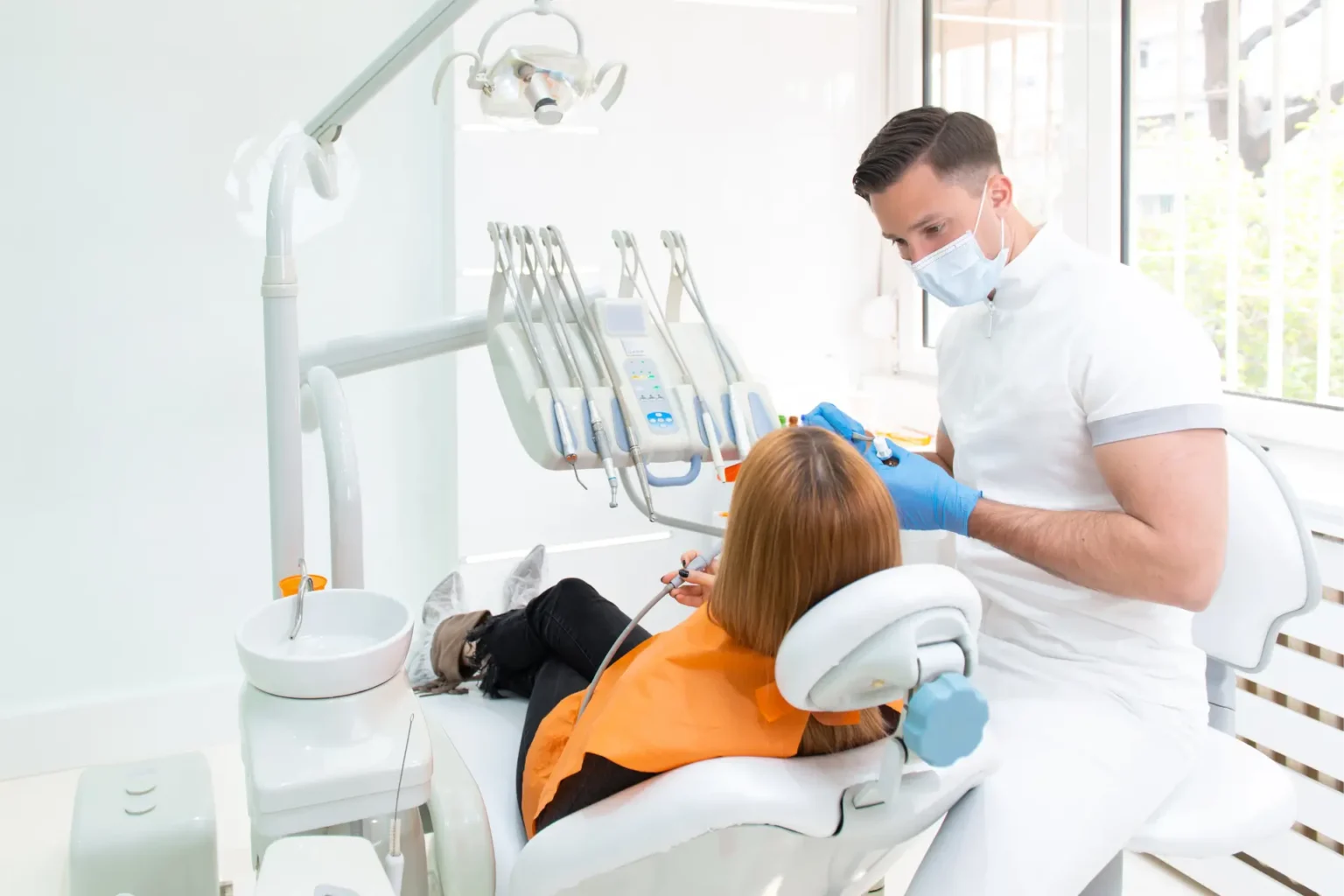
A loose tooth means very different things depending on your age. In a six-year-old, it usually means a visit from the tooth fairy is not far off. In a teenager or adult, it can signal trauma, infection, advanced gum disease, bite-related stress, or a failed dental restoration. That distinction matters, because timing matters. A permanent tooth that feels even slightly mobile is not something to watch casually for a week or two.
People often hesitate because the symptom seems small. The tooth is not broken in half. There is no dramatic swelling yet. Maybe it only wiggles when you chew on one side. Maybe it started after biting into a crusty sandwich or after taking an elbow during a pickup basketball game. Many dental emergencies begin exactly this way, with a subtle change that turns into a bigger problem if ignored.
If you are searching for an Emergency dentist Plano, TX, a loose permanent tooth is one of the clearest signs that you should call promptly. The goal is not just pain relief. It is preserving the tooth, protecting the bone and gum support around it, and preventing a manageable issue from becoming a tooth loss case.
Why a permanent tooth becomes loose
A healthy permanent tooth should not move. It has a small amount of natural give because it sits in a ligament, not fused directly to bone, but that is different from the movement a patient can feel with a fingertip or while chewing. Once you notice true looseness, something has changed in the supporting structures.
In my experience, the most common causes fall into a few categories. Trauma is the obvious one. A fall, sports collision, car accident, or blow to the face can partially dislodge a tooth or damage the ligament that holds it in place. What surprises patients is how often the injury seems minor at first. They assume that if the tooth did not fall out immediately, it is probably fine. Then the tooth starts to feel “off” over the next few hours.
Gum disease is another major cause, especially in adults who have had bleeding gums, bad breath, or gradual recession for years. Teeth do not become loose from the top down. They loosen because infection and inflammation have damaged the bone and connective tissue beneath the gumline. By the time mobility is noticeable, the disease process is often fairly advanced.
Infection at the root can also make a tooth feel elevated or mobile. Sometimes patients describe it as a tooth that suddenly feels longer than the others, or one that takes the pressure first when they bite down. In those cases, swelling around the root can change how the tooth sits and how stable it feels.
There are also mechanical reasons. A cracked tooth, a long-standing grinding habit, or a bite that puts too much force on one tooth can stress the support structures. I have seen patients who never had a cavity in the loose tooth itself, but who had a heavy bite on a crown or an old filling that concentrated pressure in one area for years. Teeth are durable, but they do have limits.
Children occupy a gray zone that can confuse parents. A baby tooth that is loose at the expected age is usually normal. A permanent tooth that becomes loose after an accident is not. The challenge is that a child may not explain the symptom clearly. They may say the tooth “feels funny” or avoid chewing on one side. After any facial injury, especially if there is bleeding from the gums or lip, a dental evaluation is prudent.
The difference between urgent and routine
Not every dental concern needs same-day treatment. A dull sensitivity to cold might wait a few days. A chipped tooth with no pain might fit into the next available appointment. A loose permanent tooth is different because the window for stabilizing the problem can be short.
When a tooth is displaced by trauma, early repositioning and splinting can improve the odds that it heals correctly. When looseness is tied to infection, draining pressure and starting the right treatment can prevent rapid worsening. When gum disease is the culprit, prompt examination can reveal whether the issue is limited to one tooth or part of a broader pattern that needs coordinated care.
The practical question is simple: if the tooth is a permanent tooth and it feels loose, assume it deserves urgent attention until a dentist says otherwise.
What an emergency dentist is looking for
At an emergency visit, the dentist is not just checking whether the tooth moves. The exam is more specific than that. They are trying to answer a set of clinical questions that shape treatment and prognosis.
First, is the tooth actually mobile, or is the sensation coming from swelling, pain, or a bite problem? Patients are often perceptive, but not always precise about the source. Second, did the tooth move because of trauma, infection, gum disease, or a fracture? Third, is the tooth still salvageable, and if so, what gives it the best chance of healing?
The answer may require X-rays and a careful periodontal exam. In trauma cases, a dentist may compare the tooth position to the neighboring teeth, test for tenderness, check the bite, and look for fractures in the crown or root. In gum disease cases, the exam usually includes measuring periodontal pockets and bone support. In infection cases, the focus may shift toward whether a root canal, drainage, or extraction is needed.
This is one reason it helps to see an office that regularly handles urgent dental care. An experienced Emergency dentist Plano, TX will think beyond the immediate symptom and assess the structures around the tooth, because that is where the long-term outcome is decided.
Signs you should call the same day
Some loose teeth can wait until the next morning if the office is closed and symptoms are mild. Others should prompt a same-day call, even if you are hoping it will settle on its own.
- A permanent tooth feels loose after a fall, sports injury, or blow to the mouth
- The tooth is loose and painful to bite on, or it suddenly feels higher than the surrounding teeth
- There is swelling in the gums, face, or jaw near the tooth
- You notice bleeding around the tooth, pus, or a bad taste that keeps returning
- The tooth movement seems to be getting worse over hours or days
Those signs Emergency dentist Plano, TX do not always mean the tooth will be lost, but they do mean the risk is high enough to stop guessing.
What to do before you get to the office
The time between noticing the problem and sitting in the dental chair matters. Small choices can make the situation easier or worse.
If the looseness followed trauma, avoid testing the tooth repeatedly with your tongue or fingers. People do this almost automatically, but it can increase irritation. Stick to soft foods and chew on the opposite side. If there is swelling, a cold compress on the outside of the face can help with comfort during the first day.
If the tooth is still in place but shifted, do not force it aggressively. In some cases a very gentle repositioning is discussed for a fully avulsed or visibly displaced tooth, but that advice depends heavily on the situation and is safest when guided by a dentist immediately. For a tooth that is merely loose, the better approach is usually to protect it and get seen quickly.
Keep the mouth clean. A gentle warm saltwater rinse can help reduce surface irritation. If you take over-the-counter pain medication, use it as directed and only if it is appropriate for you medically. Aspirin placed directly on the gum is a bad idea. It does not fix dental pain and can irritate tissue.
If a child has a loose tooth after an injury and you are not sure whether it is a baby tooth or permanent tooth, err on the side of caution. The timing of eruption varies. Plenty of parents are surprised to learn that a tooth in the front of the mouth that still “seems new” is in fact permanent.
Why waiting can cost more than a tooth
Patients sometimes delay because they are hoping to avoid expense. Ironically, postponing care often makes treatment more involved and more costly. A tooth that might have been stabilized after trauma can become non-restorable. A localized gum infection can become more extensive. A root problem that needed endodontic treatment can progress to an abscess with swelling and fever.
There is also the issue of bone. When a tooth is lost, the surrounding bone no longer receives normal stimulation from that root. Over time, the area can shrink. That can complicate future replacement with an implant or affect the fit and appearance of other options. Saving the natural tooth, when possible, is usually the most conservative path biologically and financially.
Pain is another misleading factor. Some serious problems do not hurt much initially. Advanced periodontal disease can cause looseness with surprisingly little pain. Dead nerve tissue inside a tooth can also create a strange calm before infection flares dramatically. If your decision is based only on how much it hurts, you can miss the true severity.
How treatment depends on the cause
There is no single fix for a loose tooth. Treatment works only when it addresses the reason the tooth became loose in the first place.
Trauma cases may need splinting, which means securing the injured tooth to neighboring teeth for a period of healing. The dentist may also monitor the nerve inside the tooth over time because trauma can compromise the blood supply. A tooth that survives the initial accident may still need a root canal later if the pulp does not recover.
If gum disease is driving the mobility, the treatment path often includes deep cleaning below the gums, targeted home care changes, and sometimes periodontal therapy beyond the scope of a basic emergency visit. Not every loose tooth from gum disease can be saved, but many can be stabilized if enough support remains and the infection is brought under control.
If there is an abscess or deep decay affecting the root, a root canal may save the tooth if the surrounding structure is still sound. If the damage is too extensive, extraction may be the healthiest choice. That recommendation is never what patients want to hear, but there are cases where removing a hopeless tooth protects adjacent teeth and clears infection more predictably.
A cracked tooth can go either direction. Small cracks may be managed with a crown if the root is intact. Vertical root fractures, unfortunately, often have a poor prognosis. This is one reason that a loose tooth should not be diagnosed from symptoms alone. The cause really changes everything.
A few situations people misread
One common misunderstanding involves orthodontic treatment. Teeth can feel slightly mobile during braces or aligner movement because they are being moved intentionally through bone. That is not the same as a tooth suddenly becoming loose without explanation. If the movement feels excessive, painful, or isolated to one tooth, it still deserves evaluation.
Another scenario is the “loose crown” that patients describe as a loose tooth. Sometimes the tooth itself is stable, but the crown or filling has debonded and is rocking. That is still important, because decay or fracture may be hiding underneath, but it is a different problem with a different urgency.
I also see patients who confuse gum recession with looseness. The tooth looks longer, so they assume it is loose. Sometimes it is, sometimes it is not. Recession alone can make a tooth look fragile, but actual mobility needs hands-on assessment. Visual impressions are not enough.
Pregnancy can add to the confusion because gums may become more inflamed and bleed more easily. Hormonal changes can exaggerate underlying gum problems. If a pregnant patient notices a tooth feeling loose, that should not be dismissed as “just pregnancy gums.” It warrants a prompt dental exam.
What to expect during recovery
Recovery varies widely. A mildly loosened tooth from a minor injury may stabilize over a few weeks with a soft diet and close observation. A tooth that needed splinting may require follow-up visits, repeat X-rays, and bite adjustments. Gum disease cases can take longer because the underlying condition is chronic and tied closely to daily plaque control and maintenance care.
Patients often want a simple timeline, but biology does not always cooperate. A tooth can look promising at first and later show signs of nerve damage. Another can seem borderline and then tighten up nicely once the bite is adjusted and inflammation settles. This uncertainty is frustrating, but it is normal. Good emergency care includes not only treatment, but also clear guidance on what to watch for next.
It helps when patients know that healing is not always dramatic. The absence of worsening can be a victory. Less tenderness when chewing, less movement, and healthier gums around the tooth are meaningful improvements even before the tooth feels completely normal.
Choosing the right response in Plano
When you need urgent dental care, convenience matters, but experience matters more. A loose tooth can be a straightforward injury or the visible sign of a more complicated problem. You want a dentist who can sort that out quickly, explain the likely prognosis honestly, and act without unnecessary delay.
That does not mean every office must offer every specialty in-house. It does mean the practice should be comfortable with emergency triage, diagnostics, stabilization, and referral when appropriate. If you call with a loose permanent tooth, the response should reflect urgency, not routine scheduling as if you were booking a standard cleaning.
For families in Plano, the best time to think about emergency dental access is before something goes wrong. Know which office you would call after a weekend soccer injury. Know where to go if you wake up with swelling and a tooth that suddenly shifts when you bite. In the moment, that preparation saves time and reduces panic.
When “watch it and see” is reasonable, and when it is not
There are a few limited situations where observation may be acceptable for a short period. A baby tooth that is loose at the expected age, with no trauma and no signs of infection, usually does not require urgent treatment. A crown that feels slightly mobile but causes no pain may be an urgent repair rather than a true emergency, though it still should be addressed soon.
A loose permanent tooth is not a good candidate for casual waiting. Even if the problem ends up being less severe than feared, the downside of getting it checked is small compared with the downside of ignoring it. Dental problems often reward promptness. They rarely reward delay.
A practical checklist for the next few hours
If you have a loose permanent tooth right now and are deciding what to do next, keep it simple.
- Call an emergency dental office as soon as possible and describe the looseness, pain, and any recent injury
- Avoid chewing on that side and stick to soft foods
- Do not keep wiggling the tooth with your tongue or fingers
- Use a cold compress for swelling and appropriate over-the-counter pain relief if needed
- Seek immediate care sooner if facial swelling, fever, or trouble swallowing develops
That kind of response is not alarmist. It is sensible. Teeth do not usually loosen without a reason, and the earlier that reason is identified, the better the chance of protecting your oral health.
A loose permanent tooth is one of those symptoms that deserves respect. It may turn out to be treatable with conservative care. It may reveal a deeper issue that has been developing quietly for months or years. Either way, guessing is not the strategy. If you are in the area and wondering whether it is time to call an Emergency dentist Plano, TX, a loose permanent tooth is a strong sign that the answer is yes.
Vitality Dental
1220 Coit Rd # 106, Plano, TX 75075, United States
+1 972-645-4100
FAQ About Emergency dentist Plano, TX
Will the ER do anything for dental pain?
An emergency department can assess urgent symptoms and provide medical stabilization. Definitive treatment of the tooth usually requires a dentist. Seek emergency medical care for breathing or swallowing difficulty, uncontrolled bleeding, or serious facial injury.
What to do if I have a dental emergency in the middle of the night?
Contact a dentist or after-hours dental service promptly for guidance. If a permanent tooth is knocked out, keep it moist in milk while seeking immediate care. If symptoms suggest a medical emergency, go to an emergency department.
What qualifies as a dental emergency?
A knocked-out permanent tooth, severe or persistent tooth pain, a significant dental injury, or swelling may require urgent dental assessment. Call a dentist to describe the symptoms and determine timing. Uncontrolled bleeding or difficulty breathing or swallowing requires emergency medical care.