Why Seeing an Emergency Dentist Quickly Can Prevent Bigger Problems
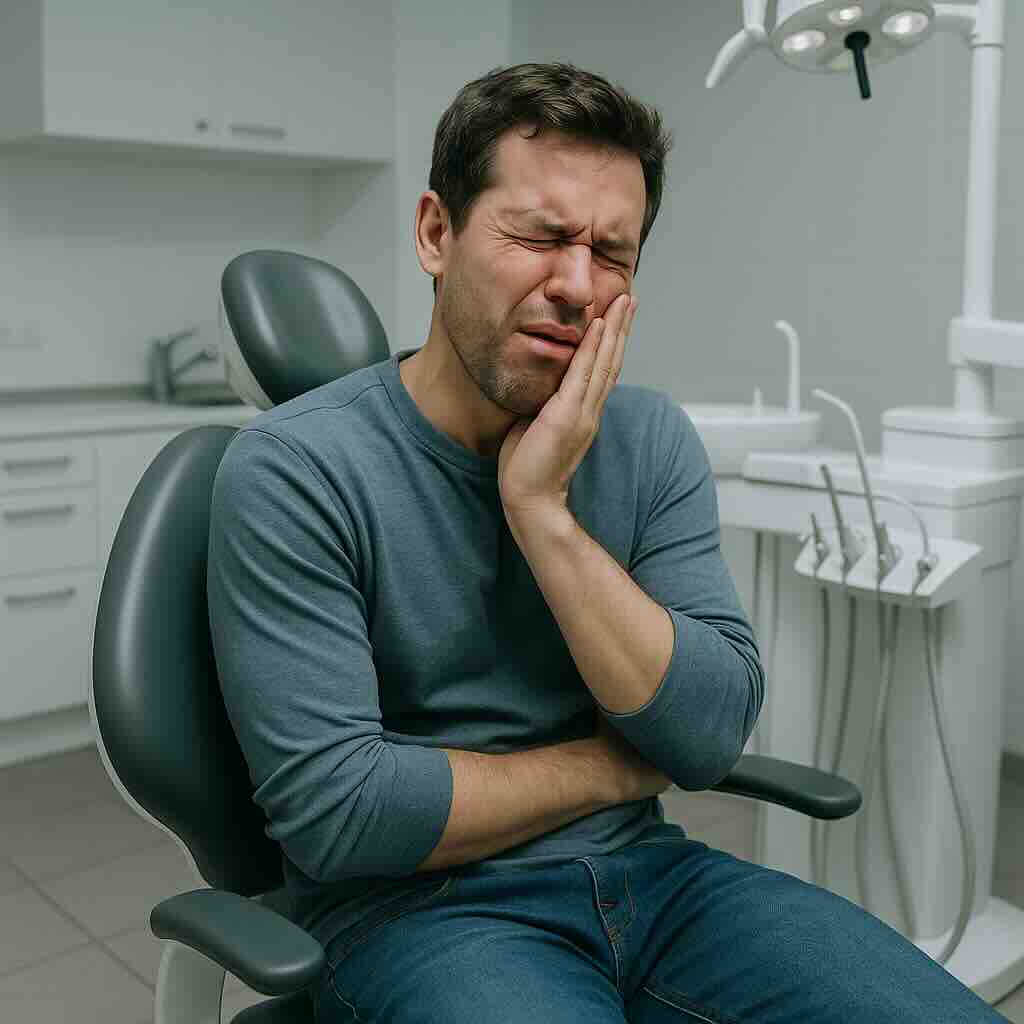
Dental emergencies have a way of interrupting ordinary life without warning. A cracked molar at dinner, a knocked-out tooth during a weekend game, a swelling that starts as a dull ache and becomes impossible to ignore by midnight, these situations rarely arrive at a convenient time. What often makes them worse is hesitation. Many people hope the pain will settle, assume the damage is minor, or try to manage the problem at home for a day or two. That delay can turn a straightforward repair into a far more complex and expensive problem.
An Emergency Dentist does much more than relieve pain. Fast care can protect the tooth, limit infection, preserve surrounding bone and gum tissue, and reduce the likelihood of major procedures later. In practice, timing matters nearly as much as treatment. A problem caught in its early stage behaves very differently from one that has been given time to spread.
Small dental problems do not stay small for long
The mouth is an active environment. Teeth absorb force all day. Gums are full of blood vessels. Saliva, bacteria, heat, cold, and chewing pressure all interact constantly. Because of that, a dental injury or infection tends to progress quickly rather than sit still.
A tiny crack can widen with every bite. A cavity that reaches the nerve can trigger inflammation inside the tooth where there is little room for swelling. Once that pressure builds, pain often intensifies rapidly. If bacteria move beyond the tooth into the root area or surrounding tissues, the issue shifts from a dental repair to an active infection that may require more involved treatment.
This is one of the biggest misunderstandings patients have. They often judge urgency by pain alone. If the discomfort is manageable, they assume the problem can wait. Yet some serious conditions do not hurt much at first. A draining abscess can actually feel less painful than a trapped one, even while infection continues to spread. A tooth fracture may only twinge with cold water until one hard bite splits it deeper. By the time severe pain appears, the situation is often more advanced than it seemed.
Pain relief is only part of the reason to act quickly
People understandably focus on pain because it is immediate and disruptive. They cannot sleep, eat comfortably, or concentrate at work. But pain is not the only consequence of a dental emergency. Delay can create a chain reaction that affects treatment options, healing time, and long-term oral health.
A tooth that might have been saved with a filling or crown can become a root canal case, or even require extraction. A localized gum infection can spread to the face or jaw. Trauma to a front tooth can affect appearance, speech, and confidence if not addressed promptly. In children and teenagers, untreated dental injuries can sometimes interfere with the development of the permanent dentition or the position of surrounding teeth.
Prompt evaluation gives a dentist the best chance to stabilize the area before those complications build. That may mean sealing exposed dentin, splinting a loose tooth, draining an infection, stopping bleeding, repositioning a tooth after trauma, or prescribing the right medication when indicated. The earlier that decision-making happens, the more conservative treatment can often be.
The difference a few hours can make
There are dental situations where speed dramatically changes the outcome. A knocked-out adult tooth is the clearest example. If the tooth is handled properly and reimplanted quickly, the odds of saving it are much better. Once the root surface dries out for too long, success becomes less likely. Even a short delay matters.
The same principle applies to fractures. When a tooth breaks and the inner layers are exposed, bacteria can enter more easily. Temporary sensitivity can become pulp damage. If the fracture line extends below the gumline, what might have been a restorable tooth can shift toward extraction depending on how deep the break goes.
Swelling is another example. A patient may wake with mild puffiness near one tooth and decide to wait until the next day. By evening, the swelling may have spread into the cheek, making it harder to open the mouth and harder for the dentist to treat comfortably. In some cases, facial swelling linked to dental infection can become a medical issue rather than just a dental one.
These are not rare edge cases. Dentists see them every week. The pattern is familiar: a manageable problem on day one becomes a far more difficult appointment on day three.
Infection is where delay gets risky
Many true dental emergencies involve infection, either inside the tooth, around the root, or in the surrounding gum and bone. Once bacteria gain access to deeper tissues, they are not likely to retreat on their own. Home rinses may soothe the area, and pain medication may blunt symptoms, but neither removes the source of the infection.
What concerns dentists most is not simply the presence of infection, but its direction and speed. Some infections stay localized for a period. Others spread into adjacent spaces in the face and jaw. When swelling interferes with swallowing, breathing, or mouth opening, the problem has crossed into urgent medical territory.
Even before it reaches that point, infection can destroy supporting bone around a tooth. That loss matters. Bone does not always regenerate predictably once it is gone. A tooth that might have been stabilizable can become too compromised to keep. For patients considering implants later, preserving bone is one of the most practical reasons not to delay.
A common real-world scenario involves someone with a cracked back tooth who chews on the other side for weeks. Eventually the tooth flares into a throbbing ache. They take over-the-counter pain relief and manage, until swelling begins under the jaw. At that stage, the treatment may involve not just a root canal or extraction, but urgent drainage, antibiotics in selected cases, and a longer recovery. The original crack did not look dramatic, but time changed the equation.
Saving a tooth is often a race against progression
One of the main goals of emergency dental care is to preserve natural teeth whenever that remains realistic. Natural teeth typically function better than replacements because they are anchored by a living ligament and integrated with the surrounding bite. Once a tooth is lost, the replacement process can be excellent, but it is still a replacement process. It often requires more appointments, more cost, and more planning.
A fast visit to an Emergency Dentist can be the difference between salvage and loss. If a crown falls off, the underlying tooth may still be protected if it is recemented promptly or temporarily covered. If a filling breaks, early repair can prevent food packing and bacterial invasion. If a tooth becomes loose after trauma, timely splinting may help it stabilize. None of these outcomes are guaranteed, but delay steadily narrows the options.
Dentists also think beyond the affected tooth. When one tooth is painful, people tend to chew elsewhere. That overloads other teeth. If a patient avoids brushing near the sore area, plaque accumulates Emergency Dentist and gum inflammation worsens. A single untreated emergency often creates collateral problems over time.
Cost usually rises with delay
There is a practical side to this that patients appreciate once they have lived through it. Early treatment is frequently simpler and less expensive than delayed treatment. That is not always true in every case, but it is common enough to be worth stressing.
Consider the typical progression of an untreated cavity or fracture. At one stage, the answer may be a modest restoration. After more decay, the tooth may need a crown. Once the pulp is inflamed or infected, root canal treatment enters the picture, often followed by a crown anyway. If the tooth becomes non-restorable, extraction and replacement options such as a bridge or implant may follow. Each step up that ladder tends to involve more chair time, more healing time, and more cost.
There is also the hidden cost of disruption. Dental emergencies interfere with sleep, work, school, travel, and family life. People miss meetings, cancel plans, or spend a weekend trying to find care while in significant pain. A timely visit often prevents that wider fallout.
Not every urgent dental problem looks dramatic
Some people picture a dental emergency as blood, a missing tooth, or severe facial swelling. Those are certainly urgent. But the situations that deserve prompt attention are broader than that, and some are easy to underestimate.
Here are five examples that warrant a quick call to a dental office:
- A toothache that wakes you up, lingers, or worsens with heat
- Sudden swelling in the gum, cheek, or jaw
- A broken tooth with sharp edges, pain, or visible inner tooth structure
- A knocked-out, loose, or displaced adult tooth
- Bleeding after dental work or trauma that does not stop with pressure
Even when the final diagnosis turns out to be less serious than feared, that is still useful. Peace of mind has value, and so does catching a problem before it crosses into crisis.
What happens during an emergency dental visit
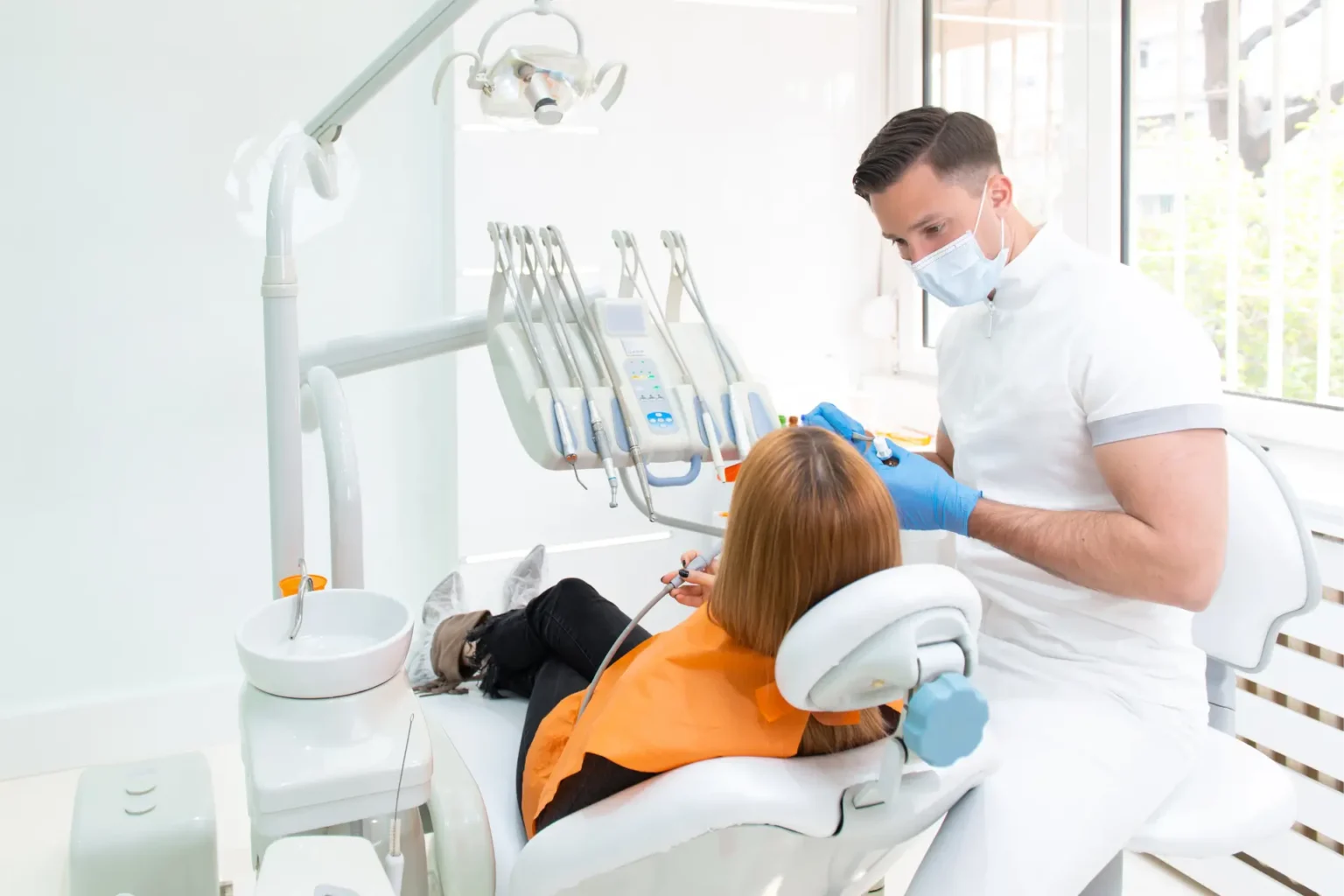
People often delay because they imagine an emergency appointment will immediately turn into a long procedure. In reality, the first goal is usually to assess, stabilize, and control the urgent issue. That can involve an exam, X-rays where appropriate, testing the tooth, checking the bite, evaluating swelling, and discussing what happened and when.
Treatment on the day may be definitive or temporary depending on the situation. A dentist might smooth a broken edge, place a temporary dressing, drain an abscess, re-cement a crown, prescribe medication when clinically appropriate, initiate root canal treatment, or extract a tooth if the diagnosis is clear and the patient is ready. In other cases, the priority is pain control and protection until a fuller procedure can be scheduled.
This is where experience matters. Emergency care is not just technical. It requires judgment. The dentist has to decide what is causing the problem, how quickly it is progressing, whether the tooth is restorable, whether infection is contained, how the bite is affecting the injury, and what the safest next step is. Those decisions are easier and better when the patient presents early.
Home care has limits, and those limits arrive fast
Temporary self-care has a place. Rinsing with warm salt water, using a cold compress on the outside of the face, storing a knocked-out tooth properly, and taking suitable over-the-counter pain relief can all help in the short term. But these are bridging measures, not solutions.
A frequent mistake is applying aspirin directly to the gum. This can burn the tissue and does nothing meaningful for the underlying cause. Another common mistake is taking leftover antibiotics without evaluation. The wrong drug, dose, or duration can mask symptoms without resolving the source, and antibiotic use is not appropriate for every dental problem anyway. If the tooth remains infected or structurally damaged, the issue often returns with more force.
When a tooth is knocked out, proper handling is especially important. Hold it by the crown rather than the root, gently rinse visible dirt if necessary, and seek care immediately. If it can be placed back in the socket safely, that may help. If not, keeping it in milk or a tooth preservation solution is often better than letting it dry out. Minutes matter in that situation.
Children, older adults, and medically complex patients need extra caution
Dental emergencies can affect anyone, but a few groups deserve special attention. Children may not describe pain clearly, and they are more likely to experience falls and sports injuries. Parents sometimes assume a damaged baby tooth can wait because it will be replaced anyway. Yet injuries to primary teeth can affect eating, comfort, and sometimes the developing permanent tooth beneath.
Older adults may have heavily restored teeth that are more prone to fracture. Dry mouth from medications can accelerate decay. A broken tooth under a bridge or near a partial denture can quickly destabilize the way the whole mouth functions.
Patients with diabetes, immune suppression, certain heart conditions, or a history of radiation therapy to the jaws often need careful management when infection or extraction is involved. For them, “wait and see” can be a poor strategy. Medical history changes dental risk, and prompt professional guidance matters even more.
A short delay can become a long recovery
One of the least appreciated costs of postponing emergency care is the recovery burden that follows. Early treatment often means a smaller procedure and faster healing. Late treatment can mean more tissue involvement, more inflammation, and a longer path back to normal function.
A simple example is a soft tissue injury from a sharp broken tooth. If the edge is smoothed early, the tongue or cheek usually settles quickly. If not, the area can become repeatedly traumatized, ulcerated, and difficult to heal because every meal and every word rubs against it. The original break may have been small, but the discomfort becomes much bigger than the visible damage.
The same pattern appears after infections. Once swelling and inflammation escalate, even routine treatment can feel more invasive. Numbing can be harder in inflamed areas. Jaw muscles may become tight. Eating is uncomfortable. Sleep suffers. People become exhausted before treatment even begins.
How to decide whether it can wait until a routine appointment
When patients call a dental office, they often ask the same question: “Do I need to come in now, or can this wait?” The safest answer depends on symptoms, timing, and medical history, but there are some useful guideposts.
Seek prompt help if there is swelling, trauma, uncontrolled bleeding, severe pain, a loose or displaced adult tooth, or signs of infection such as a bad taste with drainage, fever, or increasing tenderness. If a crown or filling comes off without pain, the issue may be less urgent, but it still deserves attention sooner rather than later because exposure can lead to sensitivity, movement, or fracture.
A practical rule is that pain that is getting worse, not better, usually should not be observed for long. Dental problems rarely reward prolonged optimism.
What patients can do while arranging care
While waiting to be seen, sensible first aid can reduce harm and make the situation easier to manage. The goal is protection, not cure.
Use these measures as short-term support:
- Rinse gently with warm salt water if the area is sore or irritated
- Apply a cold compress to the face for swelling after trauma
- Avoid chewing on the affected side
- Keep any broken piece or knocked-out tooth and bring it with you
- Follow dosing instructions carefully for over-the-counter pain relief
If there is facial swelling that is spreading, difficulty swallowing, difficulty breathing, or fever with worsening symptoms, do not wait for a routine dental slot. That needs urgent assessment.
Fast care protects more than teeth
There is also a psychological side to emergency dental treatment that matters more than people admit. Dental pain can be consuming. It narrows attention, raises anxiety, and makes people feel helpless. Prompt treatment restores a sense of control. Patients often arrive tense and sleep-deprived, then visibly relax once they understand what is happening and what the plan is.
That matters because fear itself causes delay. Someone who has had a difficult dental experience in the past may wait until the problem becomes unbearable. Unfortunately, the longer they wait, the more likely the eventual treatment will be intensive, which reinforces the fear cycle. Early intervention is often gentler than people expect. A calm assessment, a clear explanation, and timely stabilization can prevent a bad memory from becoming a worse one.
The real value of urgency
There is a difference between panic and urgency. Panic is not useful. Urgency is. The most effective response to a dental emergency is usually straightforward: recognize that something is wrong, contact a dentist promptly, and let a professional determine how serious it is. That simple decision can preserve teeth, reduce pain, prevent infection from spreading, and spare you from more extensive treatment later.
Most dental emergencies do not improve through wishful thinking. They progress through pressure, bacteria, time, and repeated use. Acting early interrupts that process. That is why seeing an Emergency Dentist quickly is not just about getting out of pain today. It is often the step that prevents a much bigger problem tomorrow.
Vitality Dental
1220 Coit Rd # 106, Plano, TX 75075, United States
+1 972-645-4100
FAQ About Emergency Dentist
What counts as a dental emergency?
A knocked-out tooth, significant mouth injury, severe tooth pain, or painful swelling warrants prompt evaluation. Call your dentist and describe your symptoms so the office can advise you on how urgently you need care.
What should I do if I knock out a permanent tooth?
Call a dentist immediately. Handle the tooth by the crown, avoid touching the root, and keep it moist. If you cannot put it back into the socket easily, transport it in milk or a tooth-preservation solution. Bring it with you to the appointment.
Should I go to the emergency room for a dental emergency?
Seek emergency medical care right away if you have trouble breathing or swallowing, uncontrolled bleeding, or a serious facial injury. For an isolated tooth injury or toothache without those symptoms, call a dentist promptly for guidance.